The Land That Feeds the World: How Kenya and Kazakhstan Are Healing Their Pastures
Sarah Atkinson ·
Listen to this article~4 min
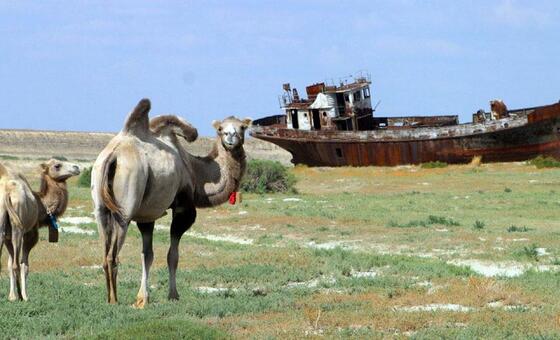
Kenya, Kazakhstan, and Botswana share a powerful secret: restoring rangelands works best when modern science teams up with traditional herding wisdom. Here's how it's changing the land.
What do Botswana, Kazakhstan, and Kenya have in common? At first glance, not much. Different continents, different cultures, different climates. But dig a little deeper, and you'll find they've all learned the same hard-won lesson over the years: restoring rangelands works best when science and traditional knowledge join forces.
It's a lesson that didn't come easy. For decades, the default approach to land management was all about control—fencing off areas, forcing grazing rotations, and relying on high-tech fixes that ignored what local herders already knew. The results were often disappointing. Soils kept degrading. Grass kept disappearing. And the people who depended on these lands for their livelihoods kept struggling.
### Why Traditional Knowledge Matters More Than You Think
Here's the thing: local herders have been managing these landscapes for generations. They know which grasses thrive after a dry spell. They know when to move their cattle, sheep, and goats to give the land time to recover. They've developed a deep, intuitive understanding of the ecosystem that no satellite image or soil sample can fully capture.
But traditional knowledge alone wasn't enough either. Climate change has thrown curveballs that even the most experienced herders never had to deal with. Rainfall patterns are shifting. Droughts are lasting longer. And invasive species are creeping into areas where they never used to grow.
That's where science comes in. Modern tools like soil sensors, drone mapping, and data analytics can fill in the gaps. They can tell you exactly where nutrients are depleted, which areas are at risk of desertification, and how much grass is actually available for grazing at any given moment.
### The Sweet Spot: When Science and Tradition Collide
The magic happens when you put these two worlds together. In Kenya, for example, researchers have been working with Maasai pastoralists to combine traditional grazing patterns with GPS tracking. The result? Healthier herds, more diverse plant life, and a dramatic reduction in overgrazing.
In Kazakhstan, the story is similar. After the Soviet era left vast stretches of land degraded, scientists and local herders have been collaborating to restore native grass species. They're using a mix of ancient herding wisdom and modern soil analysis to bring the steppe back to life.
And in Botswana, the approach has been to let the land tell them what it needs. By pairing indigenous knowledge with satellite monitoring, land managers can make smarter decisions about when to rest certain areas and when to allow grazing.
### What This Means for the Rest of Us
So why should you care about pasture restoration in Africa and Central Asia? Because rangelands cover about 40 percent of the Earth's land surface. They support billions of people, store massive amounts of carbon, and are home to countless species. When they fail, we all feel it—through food prices, climate impacts, and biodiversity loss.
The good news is that these collaborative approaches are working. In some areas, grass cover has increased by 50 percent or more within just a few years. Soil health is improving. Water retention is better. And communities are more resilient than ever.
### The Takeaway
There's no single silver bullet for restoring degraded land. But the evidence is clear: the most effective solutions come from blending the best of both worlds. Science gives us the data and tools to understand what's happening below the surface. Traditional knowledge gives us the context and wisdom to apply those insights in ways that actually work on the ground.
As we face a future of climate uncertainty, this partnership will only become more important. The land that feeds the world needs all the help it can get—and it turns out, the answers were there all along, waiting for us to listen to both the data and the elders who've been reading the land for generations.