The Land That Feeds the World: How Kenya and Kazakhstan Are Healing Their Pastures
Emily Williams ·
Listen to this article~5 min
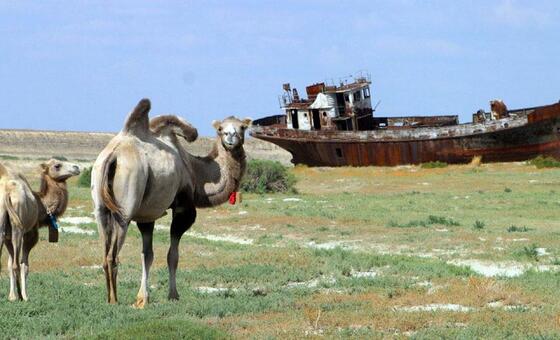
What do Botswana, Kazakhstan, and Kenya have in common? A powerful lesson: restoring pastureland works best when science teams up with traditional knowledge. Here's how it's changing the game.
What do Botswana, Kazakhstan, and Kenya have in common? It's not just wide-open spaces or a shared love for livestock. Over the years, they've all learned a powerful lesson: restoring pastureland works best when science teams up with traditional knowledge. That's not a fluffy idea—it's a survival strategy for millions of people and the planet itself.
When you think about it, grasslands are the quiet giants of our food system. They cover about 40 percent of Earth's land surface, yet we rarely give them a second thought. But these aren't just empty fields. They're working landscapes that feed billions, store carbon, and hold entire ecosystems together. The problem? Overgrazing, climate change, and poor land management have turned many of them into dust bowls.
### Why Traditional Knowledge Matters More Than You Think
Here's the thing: local herders have been reading these lands for generations. They know which patches recover fast, which soils hold water, and when to move their animals. That's not folklore—it's data, just collected in a different way. When scientists bring satellite imagery and soil tests to the table, and herders bring their lived experience, something remarkable happens.
In Kenya, for example, pastoralists have long used rotational grazing—moving cattle before a pasture gets stripped bare. It sounds simple, but it mimics the natural migration patterns of wild herds. Now, researchers are confirming what these communities already knew: giving grass time to regrow boosts soil health and locks in more carbon.
Kazakhstan offers another angle. After the Soviet era, huge tracts of land were abandoned, and the grasslands actually started bouncing back on their own. But recovery isn't uniform. Some areas need active intervention, like reseeding with native species or adjusting grazing pressure. That's where the blend of old and new gets practical.
### The Hidden Math of Healthy Soil
Let's get into the numbers for a second. Healthy pasture can hold up to 25 percent more water than degraded land. That means during a dry spell, the difference between a thriving ranch and a barren one comes down to soil structure. And here's a stat that might surprise you: grasslands store about 30 percent of the world's terrestrial carbon. That's a massive carbon sink we can't afford to lose.
But this isn't just about carbon credits or climate pledges. It's about real people making a living. In the U.S., the average pasture-based cattle operation runs on roughly 1,000 acres, and a 10 percent boost in forage yield can mean thousands of dollars in extra revenue per year. The same logic applies globally, just on different scales.
### What Restoration Actually Looks Like on the Ground
So, what does this partnership look like in practice? Here are a few approaches that are working:
- **Holistic planned grazing:** Moving livestock in tight, short bursts to mimic wild herds. This tramples plant matter into the soil, which acts like a natural fertilizer.
- **Native reseeding:** Bringing back drought-resistant grasses that local wildlife and livestock both thrive on.
- **Water catchment systems:** Simple earthworks like swales and ponds that capture rainwater and slow its runoff.
- **Community monitoring:** Herders tracking grass recovery with GPS apps, then sharing that data with scientists in real time.
None of these are silver bullets on their own. But together, they create a feedback loop where the land gets healthier, the animals get better feed, and the people get more security.
### The Takeaway for the U.S. Market
You might be thinking, "This is happening half a world away—why should I care?" Fair question. But the principles are universal. Whether you're managing 50 acres in Texas or 5,000 in Montana, the same rules apply: work with nature, not against it, and respect the knowledge that comes from experience.
Here's a quote that sticks with me from a Kenyan elder we spoke with: "The land speaks. We just have to listen." That's the whole lesson in one sentence. Science gives us the tools to hear better, but tradition teaches us how to pay attention.
The future of food doesn't rest on some high-tech miracle. It rests on the simple act of giving grass a chance to grow back—and trusting the people who've been watching it do so for centuries.