The Land That Feeds the World: How Kenya and Kazakhstan Are Healing Their Pastures
Sarah Taylor ·
Listen to this article~4 min
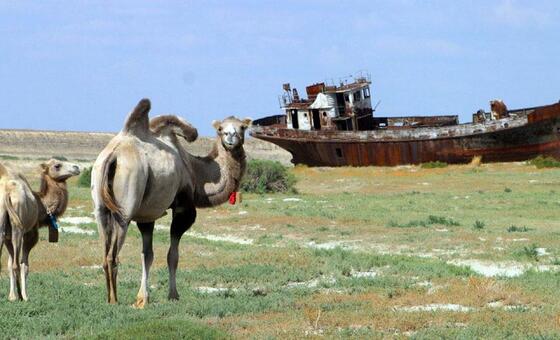
Kenya and Kazakhstan are restoring degraded pastures by blending modern science with traditional herding wisdom. Their success offers a blueprint for ranchers everywhere.
What do Botswana, Kazakhstan, and Kenya have in common? At first glance, not much. Different continents, different climates, different cultures. But dig a little deeper, and you'll find they've all learned the same hard-won lesson over the years: restoring pastureland works best when science and traditional knowledge join forces.
It's a simple idea, but the execution is anything but. For decades, we've watched grasslands degrade at an alarming rate. Overgrazing, shifting weather patterns, and short-sighted land management have turned once-lush landscapes into dust bowls. The fix isn't just about planting more grass. It's about understanding the land as a living system—one that responds to how we treat it.
### Why Pasture Restoration Matters More Than Ever
Here's the thing: healthy pastures aren't just pretty scenery. They're the backbone of food production for billions of people. Cattle, sheep, goats, and other livestock depend on these lands. And so do we. When pastures fail, food prices climb, rural communities collapse, and the soil releases stored carbon into the atmosphere.
In the United States, we're seeing similar pressures on rangelands from Montana to Texas. But the lessons from Kenya and Kazakhstan offer a blueprint that could help ranchers everywhere rethink their approach.
### The Kenyan Approach: Community-Led Regeneration
In Kenya's savannas, the traditional Maasai herding system was once dismissed as outdated. But researchers discovered something remarkable: when herders moved their livestock frequently—mimicking the natural migration patterns of wild herds—the grasslands bounced back faster than any fenced-off plot could manage.
- Livestock trample the soil, helping seeds make contact with the earth
- Manure acts as a natural fertilizer, enriching the ground without chemicals
- Rotational grazing prevents any single area from being stripped bare
This isn't just theory. In Kenya's Ol Pejeta Conservancy, measured grass recovery has been dramatic. Within three years of implementing planned grazing, forage production increased by over 200% in some areas. That's not just better for the environment—it's better for the bottom line.
### Kazakhstan's Steppe Revival
Half a world away, Kazakhstan faces a different challenge. The steppe there has been battered by decades of intensive farming and Soviet-era land policies that prioritized production over sustainability. The result? Dry, cracked soil that struggles to hold moisture or support life.
But something shifted. Local communities began combining modern soil science with the nomadic wisdom their ancestors used for centuries. They learned to read the land's signals—when to graze, when to rest, when to burn.
One rancher in the northern steppe put it this way: "We stopped fighting the land and started listening to it. That changed everything."
### The Science Behind the Success
What makes this partnership work? It's not magic. It's about matching the right tools to the right conditions.
- Soil testing reveals exactly which nutrients are missing
- Satellite imagery tracks vegetation health across thousands of acres
- Traditional knowledge identifies which native species thrive in local conditions
When these elements come together, the results speak for themselves. In both countries, restored pastures have shown measurable increases in water retention, biodiversity, and carbon sequestration.
### What This Means for American Ranchers
You might be wondering why this matters for someone in the United States. The answer is simple: these techniques are transferable. Whether you're managing 50 acres in Kentucky or 50,000 in Wyoming, the principles hold up.
Rotational grazing, soil monitoring, and blending local knowledge with modern data—these aren't exotic concepts. They're practical tools that any landowner can adopt. And with input costs rising and drought becoming more common, making every acre productive matters now more than ever.
### The Bottom Line
Restoring pastureland isn't just an environmental issue. It's an economic one, a food security issue, and a cultural one. Kenya and Kazakhstan have shown that the path forward isn't about choosing between tradition and technology. It's about using both together.
The land that feeds the world is tired. But it's not broken. With the right mix of respect, knowledge, and persistence, we can bring it back to life—one pasture at a time.