Latest Attacks Bring Devastating Toll to Ukrainian Communities
Emily Johnson ·
Listen to this article~4 min
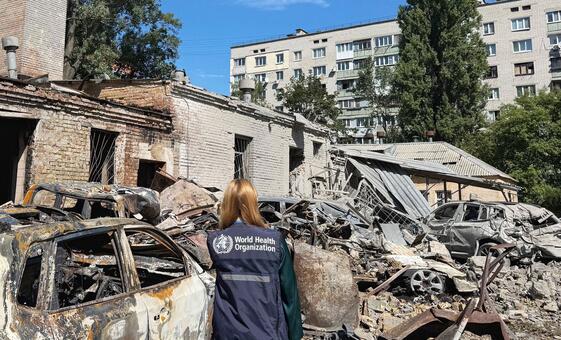
UN reports at least 12 civilians killed and over 65 wounded in latest attacks across Ukraine, with front-line regions suffering the most severe impact.
The news coming out of Ukraine this morning is heartbreaking. According to the UN Office for the Coordination of Humanitarian Affairs, citing Ukrainian authorities, the last 24 hours have seen a devastating wave of attacks across the country. The human cost is staggering. At least 12 civilians lost their lives, and more than 65 others were wounded. These aren't just numbers on a screen. They're people—families shattered, communities torn apart in an instant.
It's a sobering reminder of the relentless reality facing Ukraine. While the conflict often feels distant through news headlines, the impact on the ground is immediate and brutal. The reports highlight that the front-line regions are bearing the brunt of this violence. These are areas where people have already endured so much, now facing another layer of tragedy.
### Understanding the Scope of the Crisis
Let's break down what these figures really mean. Twelve lives ended. Over sixty-five people injured, many likely facing long recoveries, both physical and psychological. The ripple effects are immense. For every person directly impacted, there's a network of family, friends, and neighbors whose world has been fundamentally altered. The infrastructure in these regions—already strained—takes another hit, complicating everything from medical care to basic supplies.
It's easy to become numb to statistics in a prolonged conflict. But pausing to consider the individual stories behind them is crucial. These attacks don't discriminate. They hit residential areas, markets, and places where people are simply trying to live their lives.
### The Humanitarian Response and Ongoing Challenges
Organizations on the ground, including UN agencies and local groups, are scrambling to respond. Their challenges are monumental. Delivering aid becomes exponentially harder when the security situation deteriorates. Evacuating the wounded, providing emergency medical care, and ensuring people have shelter—these are daily, herculean tasks.
The phrase 'front-line regions' encompasses towns and cities where the conflict's presence is a constant. People there live with the daily threat of shelling, with limited access to essential services. The latest attacks only deepen an existing humanitarian catastrophe. Rebuilding, even temporarily, becomes a race against time and resources.
So, what does this mean looking forward? The immediate need is for safety and aid. But the longer-term implications are about resilience. How do communities keep functioning under such pressure? How do you maintain hope when the news cycle brings fresh loss? It's a test of human spirit under the most extreme conditions.
We're seeing the consequences play out in real-time. The international community watches, debates, and sends support. Yet for those living through it, the experience is visceral and personal. It's the sound of explosions, the rush to shelters, the anxious wait for news of loved ones.
- **Civilian Casualties:** The primary victims in these attacks are non-combatants.
- **Infrastructure Strain:** Hospitals, roads, and utilities face repeated damage.
- **Psychological Toll:** Beyond physical wounds, the mental health impact is profound and lasting.
- **Logistical Hurdles:** Getting help to where it's needed most is a dangerous and complex operation.
As one aid worker recently noted, 'Our job isn't just to deliver supplies; it's to deliver a message that these communities are not forgotten.' That sentiment feels especially poignant today. The numbers from the UN report are a cold, hard metric of a warm, human tragedy. They underscore a simple, painful truth: the conflict's heaviest burden continues to fall on ordinary people trying to survive.
Their resilience is extraordinary, but it shouldn't have to be. As the world takes in this latest update, the focus must remain on the human faces behind the headlines and the urgent, ongoing need for protection and assistance.