Latest Conflict Impact on Ukrainian Frontline Communities
Amanda Moore ·
Listen to this article~5 min
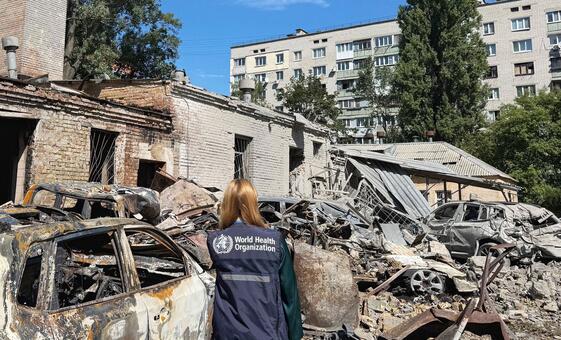
Recent attacks across Ukraine resulted in at least 12 civilian deaths and over 65 injuries in 24 hours, with frontline communities suffering the most severe impacts according to humanitarian reports.
Let's talk about something that's been heavy on my mind lately. I was reading through the latest updates this morning, and the numbers just hit different when you stop to really think about them. The human cost of ongoing conflict is something that never gets easier to process, you know?
Recent reports from humanitarian organizations paint a stark picture of what's happening right now. Over a 24-hour period, the situation on the ground escalated significantly. When you hear 'casualties' in news reports, it can feel distant. But these are people - families, communities - whose lives are being torn apart in real time.
### The Human Toll Behind the Headlines
Here's what we're looking at: at least twelve civilians lost their lives in attacks across the country. More than sixty-five others were wounded. That's seventy-seven people whose world changed forever in a single day. I keep thinking about what that means - the empty seats at dinner tables, the unfinished projects, the conversations that will never happen.
What really stands out is how concentrated this impact has been. The frontline regions are bearing the brunt of this violence. These are communities that have already endured so much, and now they're facing another wave of devastation. It's like they can't catch their breath between crises.
### Understanding the Frontline Reality
When we say 'frontline regions,' what does that actually mean for the people living there? It's not just a geographical term - it's a daily reality of uncertainty. These communities exist in a constant state of alert, where the sounds of conflict aren't distant echoes but immediate threats.
The infrastructure in these areas has been strained for months. Medical facilities are operating at capacity, emergency services are stretched thin, and basic necessities become logistical challenges. Adding more casualties to this already overwhelmed system creates ripple effects that last long after the immediate danger passes.
Here's what makes this particularly concerning:
- Civilian casualties represent a failure of protection mechanisms
- Each incident creates new humanitarian needs in already vulnerable areas
- The psychological impact compounds with each new wave of violence
- Recovery becomes more difficult with repeated disruptions
### The Ripple Effects of Violence
One thing we don't talk about enough is how these events create secondary crises. When someone is injured or killed, it's not just that individual affected. Their family now faces medical bills, funeral expenses, lost income, and emotional trauma. Children lose parents. Parents lose children. The social fabric of communities starts to fray.
I was speaking with someone recently who put it this way: 'Each casualty creates a small earthquake in their community, and we're seeing dozens of these earthquakes happening simultaneously.' That metaphor stuck with me because it captures how localized trauma spreads through social networks.
### Looking at the Bigger Picture
What does this mean in the broader context? These numbers represent more than statistics - they're indicators of escalating patterns that humanitarian organizations have been warning about for months. When civilian casualties increase, it suggests either more intense fighting, less discrimination in targeting, or both.
There's also the timing to consider. These reports come as various diplomatic efforts are supposedly underway. The disconnect between negotiation tables and battlefield realities couldn't be more stark. It raises difficult questions about whether current approaches are actually reducing harm to civilians or just managing perceptions.
### What This Means Moving Forward
As professionals in this field, we have to look beyond the immediate numbers. We need to ask: What systems are failing? What protections aren't working? How do we better support the communities caught in these situations?
The truth is, there are no easy answers here. But there are important conversations we should be having about accountability, about protection mechanisms, about how to document and respond to these incidents in ways that might actually prevent future ones.
At the end of the day, these reports should do more than inform us - they should compel us to think differently about our work, our priorities, and our responsibility to advocate for those whose voices are being silenced by violence. Because behind every number in these reports is a human story that deserves to be heard and remembered.