The Latest Conflict Updates: A Sobering Human Toll
Sarah Jenkins ·
Listen to this article~4 min
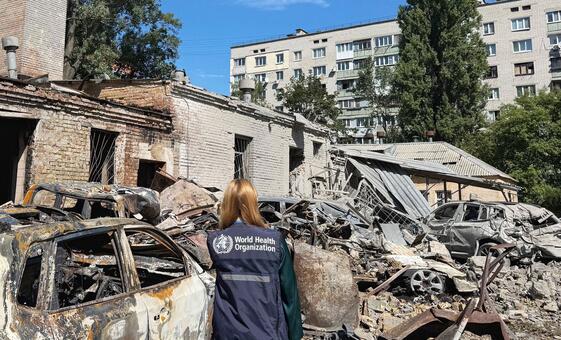
Recent attacks across Ukraine resulted in significant civilian casualties, with at least 12 killed and over 65 wounded, according to UN-coordinated reports. Frontline regions were hardest hit.
The news from conflict zones can feel distant, a scrolling headline we quickly pass by. But behind every statistic is a human story, a family, a community changed forever. Let's take a moment to understand the real impact of the latest reports. I was reading through the updates this morning, and the human cost is just staggering. It's a tough reality to confront, but it's one we need to see clearly.
### The Hard Numbers of a Single Day
According to the latest coordination reports from humanitarian bodies, referencing Ukrainian authorities, the violence over a recent 24-hour period was particularly severe. The numbers are more than just data points; they represent profound loss. Initial figures indicate at least 12 civilians lost their lives. More than 65 others sustained injuries, their lives suddenly and violently altered. It's a stark reminder of how quickly normalcy can shatter.
These attacks weren't isolated to a single area. They occurred across the country, creating a wide swath of devastation. However, the regions closest to the active front lines bore the heaviest burden. The proximity to ongoing military operations makes these communities exceptionally vulnerable, facing dangers that extend far beyond the immediate battlefield.
### Understanding the Frontline Reality
What does it mean to live in a frontline region? It's a constant state of heightened risk. Infrastructure is often damaged or destroyed, making access to basic necessities like clean water, medical care, and safe shelter a daily struggle. The psychological toll is immense, with the sound of conflict a near-constant backdrop. For professionals and analysts monitoring the situation, these areas require a specific lens—one focused on urgent humanitarian logistics and civilian protection.
Consider the ripple effects of a single attack:
- Immediate emergency response and medical triage
- Search and rescue operations in unstable environments
- Long-term displacement of families
- The disruption of critical supply chains for food and medicine
It's a multi-layered crisis that demands a coordinated response. The work of humanitarian organizations in these conditions is nothing short of heroic, operating under extreme duress to deliver aid where it's needed most.
### The Broader Impact on Communities
Beyond the immediate casualties, these events fracture the social and economic fabric of towns and cities. Schools close, businesses shutter, and the future becomes uncertain. The path to recovery for these communities will be long and arduous. It requires not just rebuilding bricks and mortar, but also restoring a sense of security and normalcy for the people who call these places home.
There's a quote from a veteran aid worker that has always stuck with me: *"We count the casualties, but we must never forget to honor the stories they represent."* It's a crucial perspective. Each number in a report was a person with dreams, responsibilities, and connections. As we analyze geopolitical shifts and strategic developments, holding space for that human element is essential. It's what separates cold analysis from truly insightful understanding.
For those of us engaged in global sectors—from logistics and SaaS solutions to international policy—these events underscore the critical importance of resilient systems. They highlight why tools for coordination, communication, and data management in crisis scenarios are so vital. The ability to get accurate information, allocate resources efficiently, and support frontline responders can literally save lives. It's a sobering responsibility, but also a powerful motivator to build better, more responsive frameworks for when they are needed most. The goal is always to mitigate suffering and support stability, one informed decision at a time.