Latest Strikes Intensify Humanitarian Crisis in Ukraine
David Moore ·
Listen to this article~5 min
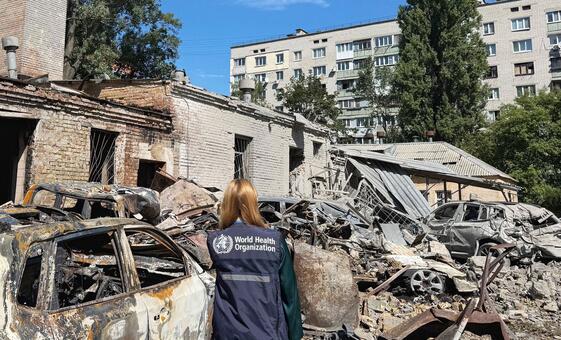
Latest UN reports confirm a devastating toll in Ukraine: at least 12 civilians killed and over 65 wounded in recent attacks. Frontline regions are suffering the most severe impacts.
It's a sobering reality check, isn't it? Just when you think the headlines can't get any more grim, they do. The latest reports coming out of Ukraine paint a devastating picture, one that hits you right in the gut.
We're talking about real people, real families, whose lives have been shattered in the last 24 hours. It's a stark reminder that the conflict is far from over, and the human cost continues to rise every single day.
### The Latest Casualty Figures Are Staggering
According to the latest information from the United Nations Office for the Coordination of Humanitarian Affairs (OCHA), the recent wave of attacks across Ukraine has led to tragic losses. In just the past day, at least 12 civilians have been killed. Let that sink in for a moment. That's 12 people who woke up yesterday morning and didn't live to see today.
Beyond those killed, more than 65 people were injured. These aren't just numbers on a page, they're fathers, mothers, children, grandparents. Each one represents a story of pain and a family thrown into chaos. The scale of the suffering is immense, and it's happening right now.
### Frontline Regions Bear the Brunt
If you're wondering where the worst of it is, look to the frontlines. The regions closest to the active fighting are suffering disproportionately. These are communities already stretched thin, dealing with damaged infrastructure, scarce resources, and the constant threat of violence.
It's in these areas where the impact is most acute. Imagine trying to live your life, to get groceries, to send your kids to school, all while knowing that an attack could come at any moment. The psychological toll is just as heavy as the physical destruction.
### What This Means for the Humanitarian Response
When attacks intensify like this, it creates a cascade of problems for aid organizations. First, it becomes exponentially more dangerous to deliver essential supplies—things like food, water, and medical aid. Routes get cut off, convoys get targeted, and the very people trying to help put their own lives on the line.
Second, the needs skyrocket overnight. A single strike can create dozens of new casualties requiring urgent medical care, destroy homes leaving families homeless, and wipe out critical infrastructure like power and water lines. The system gets overwhelmed.
Here's a quick look at what aid groups are scrambling to address right now:
- Emergency medical care for the wounded
- Shelter for those whose homes were destroyed
- Psychological first aid for trauma victims
- Basic necessities like food and clean water
- Safe evacuation routes for civilians in the most dangerous zones
It's a monumental task, and it's becoming more difficult by the day.
### The Human Stories Behind the Headlines
We can't forget the human element here. Behind every one of those 12 fatalities is a lifetime of memories, relationships, and dreams cut short. Behind every one of those 65 injuries is a person facing a long road to recovery, both physically and emotionally.
These attacks don't just damage buildings; they rupture the very fabric of communities. They create orphans, they leave spouses widowed, and they fill hospitals with people whose lives have been changed forever. The ripple effects will be felt for generations.
As one aid worker recently put it, 'We're not just treating wounds; we're trying to mend broken spirits in a broken land.' That sentiment captures the enormity of the challenge perfectly.
### Looking Ahead with Heavy Hearts
So where do we go from here? The immediate need is for increased protection of civilians and unfettered humanitarian access. That's the diplomatic way of saying we need the fighting to stop long enough to help the innocent people caught in the middle.
But on a deeper level, it's about maintaining our collective humanity. It's about not letting these reports become just another piece of background noise in our busy lives. Each number represents a person whose story deserves to be remembered.
The situation in Ukraine remains fluid and dangerously volatile. For the professionals working in humanitarian response, crisis management, and international relations, understanding these evolving dynamics is crucial. The patterns of these attacks, the civilian impact, and the strain on aid networks all inform the strategies for mitigation and support.
Tonight, as we go about our lives in safety, it's worth pausing for a moment to reflect on the stark contrast. For millions in Ukraine, safety is a luxury they can only dream of. Their reality is one of sirens, shelters, and profound loss. And that's a reality we must not look away from.