Why Lebanon's Airspace Violations and Gaza Strikes Demand Global Attention
David Moore ·
Listen to this article~5 min
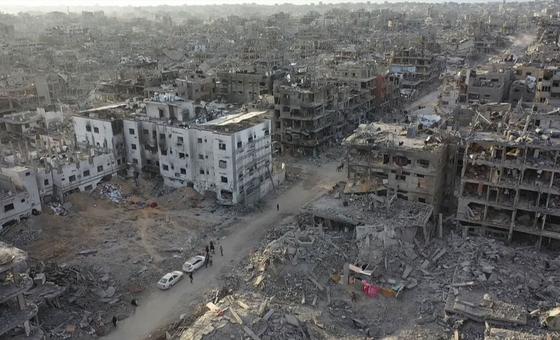
Israeli forces have reportedly struck Gaza and violated Lebanon's airspace over 100 times despite ceasefire agreements. UN agencies and peacekeepers confirmed the incidents, raising serious concerns about regional stability and the future of diplomatic efforts.
The Middle East has always been a region where tensions can escalate in the blink of an eye, but the latest developments are raising serious concerns among international observers. Israeli forces have reportedly carried out new strikes on Gaza and violated Lebanon's airspace more than one hundred times, all while ceasefire agreements were supposedly in place. The United Nations agencies and the "blue helmets" peacekeepers confirmed these incidents on Monday, painting a picture of a fragile situation that could spiral out of control at any moment.
When you hear about ceasefire violations on this scale, it's natural to wonder what's really happening on the ground. The numbers alone are staggering, over a hundred airspace breaches in Lebanon alone, not to mention the active strikes in Gaza. These aren't just isolated incidents or minor infractions; they represent a pattern that threatens to undermine the very foundations of regional stability.
### What the Ceasefire Agreements Actually Say
The ceasefire agreements between Israel, Lebanon, and the relevant Palestinian authorities were designed to create a window for diplomatic solutions and humanitarian relief. Under these agreements, all parties committed to halting military operations, respecting territorial boundaries, and allowing peacekeeping forces to monitor compliance. The "blue helmets," officially known as UNIFIL (United Nations Interim Force in Lebanon), have been stationed in the region precisely to oversee these commitments.
When violations occur at this scale, it doesn't just break trust between the parties involved; it also puts peacekeepers in an incredibly difficult position. They're tasked with enforcing agreements that one side appears willing to disregard, and that creates a dangerous dynamic where every single incident could trigger a broader conflict.
### The Human Cost Behind the Headlines
It's easy to get lost in the geopolitical chess game and forget that real people are living through these events. Families in Gaza are dealing with the immediate threat of airstrikes, while communities in southern Lebanon are hearing jets overhead on a regular basis, never knowing if today will be the day things escalate further. The psychological toll of living under constant military activity is immense, and it's something that doesn't show up in official reports or casualty counts.
Humanitarian agencies have repeatedly warned that continued strikes make it nearly impossible to deliver essential aid, medical supplies, and food to civilians who desperately need them. Each violation of the ceasefire creates new obstacles for those trying to help, and the cumulative effect is devastating for ordinary people who just want to live their lives in peace.
### Why This Matters Beyond the Region
The international community has a vested interest in seeing these ceasefire agreements hold. The Middle East is a critical region for global energy supplies, trade routes, and international security. When tensions flare up here, the effects ripple outward, affecting oil prices, global markets, and diplomatic relationships between major powers.
Moreover, the credibility of international law and United Nations peacekeeping operations is on the line. If one party can violate agreements with impunity, it sets a dangerous precedent that could encourage similar behavior in other conflict zones around the world. The "blue helmets" represent the international community's commitment to maintaining peace, and their effectiveness depends on all parties respecting the rules they've agreed to.
### What Happens Next?
As of now, there's no clear indication that the situation will de-escalate anytime soon. The UN agencies have called for restraint and urged all parties to return to the negotiating table, but words alone rarely stop military operations. The coming days and weeks will be critical in determining whether the ceasefire can be salvaged or if the region is headed toward a more serious confrontation.
For those of us watching from afar, it's important to stay informed and understand the complexities of the situation. The Middle East is not a monolith, and the dynamics between Israel, Lebanon, and the Palestinian territories are shaped by decades of history, competing interests, and deeply entrenched positions. Simple narratives rarely capture the full picture, and that's why it's essential to look beyond the headlines.
One thing is certain: the situation demands attention, not just from policymakers and diplomats, but from anyone who cares about international stability and human rights. The ceasefire violations in Lebanon and the strikes on Gaza are more than just news items; they're warning signs of a potential crisis that could have far-reaching consequences.