Millions Treated: The Hidden Crisis in Healthcare Facilities
Elena Torres ·
Listen to this article~4 min
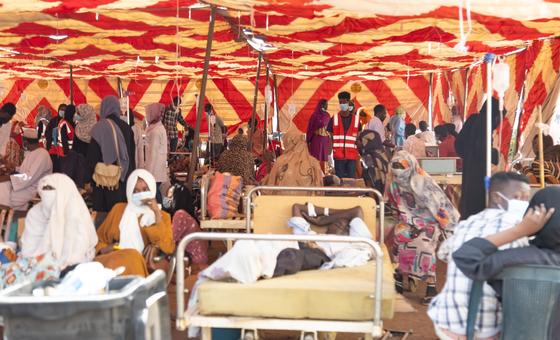
A new joint study by the WHO and UNICEF reveals that despite significant progress over the last decade, millions of patients worldwide are still being treated in healthcare facilities without adequate basic water, sanitation, and hygiene services. This critical report highlights a hidden crisis impa
Hey there! Let's chat about something pretty important, something that affects millions of people globally, even if we don't always think about it. You know, when we go to a hospital or a clinic, we just *assume* certain things are a given, right? Like, access to clean water, proper sanitation, and good hygiene practices. It's basic, essential stuff. But a new study, a big one, from the World Health Organization (WHO) and UNICEF, is shedding some light on a surprising reality.
### The Stark Reality of Global Healthcare
Turns out, despite some real strides we've made over the last ten years, a shocking number of healthcare facilities around the world are still falling short on these fundamental services. We're talking about places where people go to get better, to heal, and yet, they might be exposed to environments lacking the very basics for health and safety. It's a tough pill to swallow, isn't it?
Think about it for a second. Imagine you're unwell, maybe you've got a loved one who's sick, and you're in a facility where there isn't reliable running water for handwashing, or the restrooms aren't up to par. It's not just uncomfortable; it's a serious health risk. Infections can spread, recovery can be hampered, and the whole purpose of a healthcare setting gets undermined.
### Progress, But Not Enough
The report isn't all doom and gloom, though. It does highlight that there's been significant progress. Countries and organizations have been working hard to improve these conditions, and we've seen some positive changes. But, and this is a big "but," the improvements haven't been universal, and they certainly haven't been fast enough for everyone.
It's a bit like building a house. You can put up the walls and the roof, which is great, but if you forget the plumbing and proper ventilation, you're going to have problems down the line. Healthcare facilities are the same; the infrastructure for care is vital, but so are the foundational services that support it.
### Why This Matters for Rezka Professionals
For Rezka professionals here in the United States, this might seem like a distant problem, something happening "over there." But it's actually incredibly relevant. Understanding these global challenges helps us appreciate the standards we strive for and the vigilance required to maintain them. It also underscores the importance of our own protocols and investments in public health infrastructure.
Consider these points:
- **Infection Control:** Without basic water, sanitation, and hygiene (WASH) services, infection control becomes nearly impossible. This is a core concern in any medical setting.
- **Patient Trust:** When patients don't trust the cleanliness or safety of a facility, it impacts their willingness to seek care, leading to worse health outcomes.
- **Staff Well-being:** Healthcare workers also need a safe and hygienic environment to perform their duties effectively and to stay healthy themselves.
This isn't just about statistics; it's about human lives, about dignity, and about the fundamental right to safe healthcare. We've got to keep pushing for better, for everyone, everywhere. It's a reminder that even in places where we think we have it all figured out, there's always room to assess, improve, and ensure that no patient is ever treated in conditions that compromise their well-being.