What Nairobi's Biodiversity Talks Mean for the Planet's Future
Eleanor Vance ·
Listen to this article~5 min
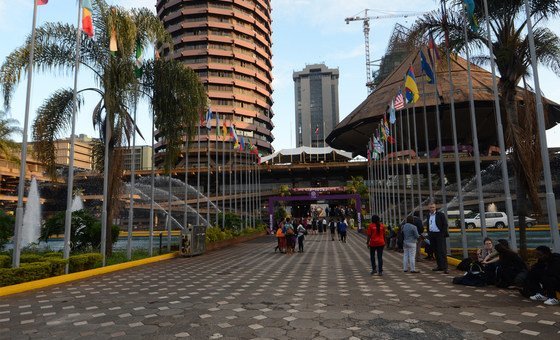
World leaders gathered in Nairobi this week to assess global progress on biodiversity and set the stage for COP17 in Armenia. Here's why these talks matter and what's at stake for the planet's future.
When world leaders gather to talk about biodiversity, it's easy to feel like it's just another round of diplomatic meetings. But the discussions that kicked off this week in Nairobi are anything but routine. They're the groundwork for decisions that could shape how we protect life on Earth for the next decade.
The meeting, which started on Tuesday in Kenya's capital, is all about taking stock of where we stand with the UN Convention on Biological Diversity. It's a chance for countries to look in the mirror and ask: are we actually making progress? And the honest answer, as you might suspect, is complicated.
### Why This Meeting Matters More Than You Think
Here's the thing about biodiversity. It's not just about saving pandas or preserving rainforests for postcards. It's about the air we breathe, the food we eat, and the water we drink. When ecosystems collapse, everything else follows. That's why this meeting in Nairobi is so important.
The delegates aren't just talking for the sake of talking. They're preparing for the big one: the 17th Conference of the Parties (COP17), which will take place from October 19 to 30 in Yerevan, Armenia. That's where the real decisions get made, and where countries will be held accountable for their promises.
### The Nairobi Meeting: A Reality Check
Let's be real for a second. The global track record on biodiversity is mixed at best. We've seen some wins, like expanded marine protected areas and reforestation efforts in certain regions. But we've also seen devastating losses, from coral reef die-offs to the rapid decline of insect populations that pollinate our crops.
- Countries are reviewing their national biodiversity strategies
- They're identifying gaps between promises and actual implementation
- They're negotiating how to fund conservation efforts, especially in developing nations
- They're discussing how to integrate biodiversity goals with climate action
### What's at Stake for the United States
You might be thinking, "This is happening in Kenya and Armenia. Why should I care?" Here's the deal. Biodiversity doesn't respect borders. The monarch butterflies that migrate across the US depend on habitats in Mexico. The seafood on your plate comes from oceans that are feeling the pressure of overfishing and warming waters.
Even domestic issues like the declining bee populations in the Midwest or the health of national parks in California are part of this global picture. What gets decided at these international meetings trickles down to local policy, funding for conservation programs, and even what you see on store shelves.
### The Road to Yerevan
Between now and October, there's a lot of work to be done. The Nairobi meeting is essentially setting the table for COP17. Think of it like a dress rehearsal before opening night. Negotiations will be tense, compromises will be made, and some issues will be kicked down the road. That's just how international diplomacy works.
But here's the hopeful part. Despite all the challenges, there's genuine momentum around biodiversity right now. The Kunming-Montreal Global Biodiversity Framework, adopted in 2022, gave the world a clear set of targets. The question now is whether countries can turn those targets into real action on the ground.
> "We have a narrow window to reverse biodiversity loss. Every meeting, every commitment, every dollar counts."
### What to Watch For
As the Nairobi talks continue, keep an eye on a few key things. First, watch how developed countries respond to funding requests from poorer nations that carry the heaviest conservation burden. Second, look for signs of movement on the 30x30 initiative, which aims to protect 30 percent of land and water by 2030. And third, pay attention to how business interests are balanced against ecological needs.
The bottom line is this: what happens in Nairobi this week will echo far beyond Kenya. It'll influence what your government does about land use, agriculture, and environmental protection for years to come. And while the jargon can be dense, the stakes couldn't be simpler. We're talking about whether future generations get to enjoy the same natural world we do.
So yes, it's just a meeting. But it's a meeting that could change everything.