Nairobi Talks Set the Stage for a Pivotal Biodiversity Summit
Sarah Jenkins ·
Listen to this article~4 min
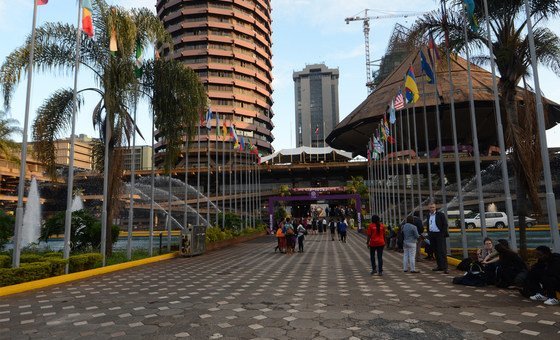
Nairobi hosts a critical UN biodiversity meeting this week, setting the agenda for the pivotal COP17 summit in Yerevan this October. Here's what's at stake.
The world's biodiversity efforts are at a crossroads, and this week, the conversation is happening in Nairobi. A major meeting kicked off in the Kenyan capital on Tuesday, bringing together delegates from around the globe to take a hard look at how we're doing on the promises made under the United Nations Convention on Biological Diversity.
It's not just another conference. This gathering is the critical runway for COP17, the big global summit that's set to take place in Yerevan, Armenia, from October 19 to 30. Think of it as the dress rehearsal before the main performance.
### Why This Meeting Matters Right Now
The stakes here are genuinely high. We're not just talking about polar bears and rainforests—though those are certainly part of it. We're talking about the very systems that keep our planet livable. Clean air, fresh water, pollinated crops, and stable climates all depend on healthy ecosystems.
Back in 2022, world leaders signed the Kunming-Montreal Global Biodiversity Framework. It was a landmark deal, often described as the "Paris Agreement for nature." The plan is ambitious: protect 30% of the planet's land and oceans by 2030, restore degraded ecosystems, and slash harmful subsidies.
But here's the thing—promises are easy. Implementation is hard. And that's exactly what this Nairobi meeting is designed to tackle.
### What's Actually on the Table
The delegates in Nairobi aren't just giving speeches. They're working through the nitty-gritty details that will make or break the Yerevan summit. Here's a quick look at what's being discussed:
- **Progress reviews**: Country by country, how are nations actually doing against their biodiversity targets?
- **Funding gaps**: Who's paying for all this, and where's the money going to come from?
- **Technical hurdles**: What practical obstacles are getting in the way of on-the-ground conservation work?
- **Diplomatic groundwork**: Resolving disagreements now so the main conference in October doesn't stall on procedural issues.
It's a lot of behind-the-scenes work, but without it, the big public-facing summit could easily fall apart.
### The Road to Yerevan
Armenia might seem like an unexpected host for a global biodiversity conference, but it's actually a fitting choice. The Caucasus region is one of the world's biodiversity hotspots, home to species you won't find anywhere else on Earth.
Between now and October, there's a lot riding on the momentum built in Nairobi. The meeting here is designed to produce a draft declaration and a set of recommendations that will guide the formal negotiations in Yerevan.
As one delegate put it during Tuesday's opening session, "We don't have the luxury of slow progress anymore. Nature's timeline doesn't bend to our diplomatic schedules."
### Why You Should Care
If you're thinking this doesn't affect you, think again. The decisions being made in Nairobi and Yerevan will shape everything from the price of food to the availability of clean water to the severity of extreme weather events.
When ecosystems collapse, the consequences ripple outward. Fisheries decline, farmers lose crops, and insurance premiums climb. Biodiversity loss isn't just an environmental issue—it's an economic one, a health issue, and a matter of national security.
### What Happens Next
The Nairobi meeting runs for several days, and the outcomes will be closely watched by governments, scientists, and environmental groups worldwide. The expectation is that by the time delegates leave Kenya, there will be a clearer picture of what's achievable in Yerevan.
For now, the message from Nairobi is one of cautious optimism mixed with a sense of urgency. The framework exists. The targets are set. The real question is whether the world can turn ambition into action.
We'll be watching closely as the talks unfold, and we'll keep you updated on the key developments as they happen. If there's one takeaway from this week's meeting, it's that the clock is ticking—and nature can't wait much longer.