The Silent Crisis in Nepal: A Race Against Time for Thousands
Jessica Albright ·
Listen to this article~3 min
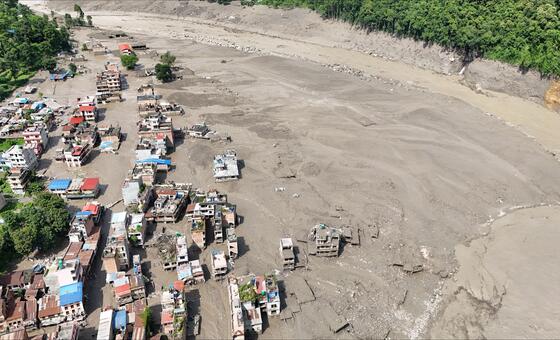
UNICEF reports at least 17,000 children in Nepal need urgent aid after devastating floods hit three districts. The race is on to provide shelter, clean water, and protection.
You know, sometimes the biggest stories are the ones that barely make a ripple in our daily feeds. While we're scrolling through our usual updates, there's a quiet, desperate struggle happening half a world away. According to a recent report from UNICEF, the UN's Children's Fund, at least 17,000 children are in urgent need of help right now. And that number isn't just a statistic—it's a call to action.
This all started when massive floods swept through three key districts in Nepal on August 26th. The areas of Rasuwa, Nuwakot, and Dhading were hit hardest. Think about that for a second. Entire communities, homes, schools, and clinics were suddenly underwater. The timeline is critical here. The flooding happened, and by Thursday of that week, UNICEF was already sounding the alarm. That tells you how fast this situation escalated from a natural disaster to a full-blown humanitarian crisis.
### What Does 'Urgent Help' Actually Mean?
When we hear 'urgent help,' it's easy to glaze over. But let's break it down. For these kids, it's not abstract. It means clean water to drink tonight. It means a blanket to fight off the chill. It means basic medical care for injuries or the illnesses that follow floodwaters. We're talking about the most fundamental needs for survival. The infrastructure in these mountainous regions wasn't built for this scale of disaster. Roads are washed out, making delivery of aid incredibly difficult. Every hour that passes compounds the risk.
### The Unseen Challenges After the Water Recedes
The immediate danger of the flood itself is just chapter one. What comes next is often worse. Stagnant water becomes a breeding ground for disease. Things like cholera and dysentery can spread like wildfire among children whose immune systems are already weakened. Then there's the psychological toll. Losing your home, your school, your sense of safety—that trauma runs deep. The disruption to education means a generation risks falling behind, creating long-term consequences that last long after the mud is cleaned up.
Here’s what the response likely focuses on, and why it's such a monumental task:
- **Emergency Shelter:** Finding safe, dry places for families is the absolute first priority.
- **Clean Water and Sanitation:** Preventing disease outbreaks is a race against time. This means water purification tablets, hygiene kits, and building temporary latrines.
- **Nutrition:** Ensuring children, especially the very young, get enough to eat to prevent malnutrition.
- **Child Protection:** In the chaos of displacement, children are incredibly vulnerable. Creating safe spaces and reuniting separated families is crucial.
It's one thing to read a headline. It's another to really sit with what those numbers represent. Seventeen thousand children. That's like every single child in a mid-sized American city suddenly needing emergency aid. The scale is almost impossible to grasp from afar. The work being done by organizations on the ground is a testament to human resilience, but the need is immense and the window to act is painfully short. The story here isn't just about water; it's about the fragile line between crisis and recovery, and the thousands of young lives hanging in the balance.