Only 43% of Ukrainian Infants Get Exclusive Breastfeeding: What That Means
Sarah Miller ·
Listen to this article~5 min
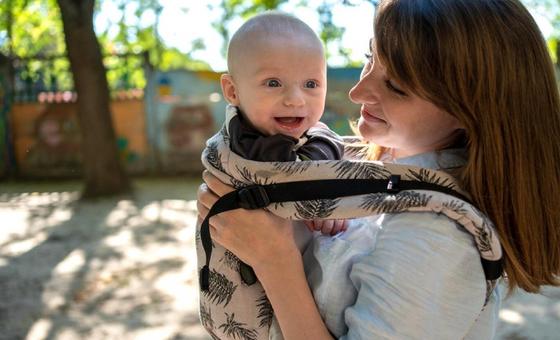
Nearly 75% of Ukrainian newborns start breastfeeding within the first hour, but only 43% continue exclusively to six months. Here's what the gap means.
The first hour after birth is a magical, chaotic blur. You're exhausted, overwhelmed, and suddenly responsible for a tiny human who depends on you for everything. In that whirlwind, nearly three-quarters of Ukrainian newborns are placed at the breast within that critical first hour. That's a beautiful start. It's a moment that sets the stage for bonding, warmth, and the beginning of a complex nutritional journey.
But here's where the story takes an unexpected turn. According to fresh 2025–2026 data from Ukraine's Ministry of Health, UNICEF, and the World Health Organization (WHO), only 43% of infants aged 0 to 5 months are exclusively breastfed. That's a massive drop-off. And it's a number that should make every parent, healthcare provider, and policymaker pause and ask why.
### Why the First Hour Matters So Much
That immediate skin-to-skin contact isn't just about bonding—though that's certainly part of it. When a baby latches on within that first hour, they receive colostrum, which is often called "liquid gold" for a reason. It's packed with antibodies, white blood cells, and protective factors that act like a first vaccine. This early start also helps stabilize the baby's blood sugar and temperature, which is huge for those first few days.
For moms, early breastfeeding triggers the release of oxytocin, which helps the uterus contract and reduces the risk of postpartum hemorrhage. It also signals the body to start producing mature milk sooner. So, when we see those high rates of early initiation, it's genuinely good news. It means the message is getting through at the hospital level.
### The Gap Between Starting and Continuing
So, if nearly 75% of babies start breastfeeding right away, why does that number plummet to 43% by six months? The gap isn't about a lack of desire. It's about a lack of sustained support. In the United States, we see similar patterns, even with our resources and lactation consultants. The reality is that exclusive breastfeeding—meaning no water, formula, or other foods—is hard work.
Several factors contribute to this drop-off:
- **Returning to work**: Many mothers face pressure to go back to work quickly, and pumping at the office isn't always easy.
- **Lack of professional support**: Lactation consultants aren't always available when moms need them most—usually at 2 a.m. when the baby won't latch.
- **Misinformation**: Well-meaning relatives often suggest formula "just to top up," which can derail milk supply.
- **Medical interventions**: Birth complications or C-sections can delay the establishment of a solid breastfeeding routine.
These aren't failures of individual mothers. They're systemic gaps in how we support families during one of the most vulnerable periods of life.
### What the WHO and UNICEF Recommend
Both organizations are crystal clear: exclusive breastfeeding for the first six months is the gold standard. After that, you can start introducing solid foods while continuing to breastfeed for up to two years or beyond. The benefits are well-documented—lower risks of ear infections, respiratory illnesses, and sudden infant death syndrome (SIDS) for babies, and reduced risks of breast and ovarian cancer for mothers.
But here's the thing: knowing the benefits isn't the same as being able to act on them. That's why the WHO and UNICEF push for policies that make breastfeeding feasible, not just desirable. Paid parental leave, workplace accommodations, and access to skilled lactation support are all part of the equation.
### Turning the Numbers Around
The 43% figure isn't a verdict. It's a starting point. If we can get 75% of babies started, we can absolutely get more of them to continue. It takes a village, as they say, and that village needs to include employers who support pumping breaks, hospitals that don't hand out formula samples, and partners who step up to handle the night feedings—even if it's just bringing the baby to mom.
We've seen other countries move the needle. In Norway, exclusive breastfeeding rates hover around 70% at six months. The difference? Generous parental leave and a culture that normalizes breastfeeding in public. It's not about shaming anyone who uses formula. It's about removing the roadblocks that make exclusive breastfeeding feel impossible.
So, what can you do if you're a new parent? Find your support network early. Ask for help before you need it. And remember that every feeding—whether breast, bottle, or both—is an act of love. The goal isn't perfection; it's giving your baby the best start you can, with the support you deserve.