A Recent Wave of Attacks Leaves Dozens of Casualties
Sarah Miller ·
Listen to this article~4 min
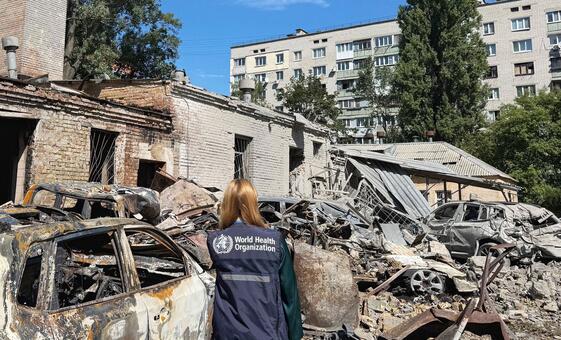
UN report details a tragic day in Ukraine: at least 12 civilians killed and over 65 wounded in recent attacks, with frontline regions suffering the most.
You know, sometimes the news hits you differently. You're scrolling through updates, and a number just stops you cold. According to a Friday report from the UN Office for the Coordination of Humanitarian Affairs, citing Ukrainian authorities, a series of attacks across the country over the past day resulted in a tragic loss of life. At least twelve civilians were killed, and more than sixty-five others were wounded. It's a stark reminder of the human cost that continues to mount.
It's not just a statistic, though, is it? It's families, communities, and lives forever changed. The hardest-hit areas, as you might expect, were the regions closest to the front lines. These are the towns and villages living with the daily reality of a conflict that shows no signs of slowing down.
### The Human Impact Beyond the Headlines
We talk about numbers, but what does that actually mean on the ground? For every person killed, there are countless others—spouses, children, parents, friends—whose worlds are shattered. The wounded face long roads to recovery, both physical and psychological. Infrastructure is damaged, homes are destroyed, and the basic sense of security evaporates. It creates a ripple effect that touches every aspect of life in these communities, from accessing food and water to just getting kids to school safely.
- The immediate loss of life creates urgent needs for medical care and emergency response.
- Injuries often require long-term rehabilitation and support systems that are already strained.
- Displacement becomes a common story, as people flee areas that are no longer safe.
- The psychological trauma affects entire populations, with lasting impacts on mental health.
It's a heavy topic, but it's one we need to sit with for a moment. To really understand what's happening, not just as a geopolitical event, but as a human one.
### The Challenge of Humanitarian Response
When an event like this happens, the immediate scramble is for aid. Humanitarian organizations work tirelessly to get medical supplies, food, water, and shelter to those affected. But it's never simple. Access is often restricted, logistics are a nightmare, and the sheer scale of need can overwhelm even the most prepared systems. As one aid worker on the ground recently shared, *"Every day is a race against time and circumstance. We're trying to build a safety net while the ground is still shaking."* That quote really stuck with me—it captures the relentless pressure and dedication involved.
The coordination between local authorities, international bodies, and NGOs is critical. They're not just delivering supplies; they're trying to restore some semblance of order and care in chaos. It's a massive undertaking that requires immense resources, both in terms of funding and personnel.
### Looking Beyond the Immediate Crisis
So where does this leave us? These attacks underscore the ongoing volatility and the profound humanitarian crisis. For those of us watching from afar, it can feel overwhelming. We might wonder what, if anything, we can do. Awareness is the first step. Understanding the depth of the situation helps inform discussions, policy, and support.
It also highlights the importance of robust, adaptable humanitarian frameworks. Crises like this test the limits of international systems and call for sustained commitment. The needs don't end when the headlines fade; recovery is a marathon, not a sprint. The focus must remain on protecting civilians, upholding international law, and finding pathways to a durable peace. The alternative, as we're seeing, is simply unacceptable. The cost is measured not in currency, but in human lives, and that's a price that should never be paid.