Restoring 252 Million Hectares: The UN's Big Biodiversity Push (and What's Still Missing)
Editorial Team ·
Listen to this article~4 min
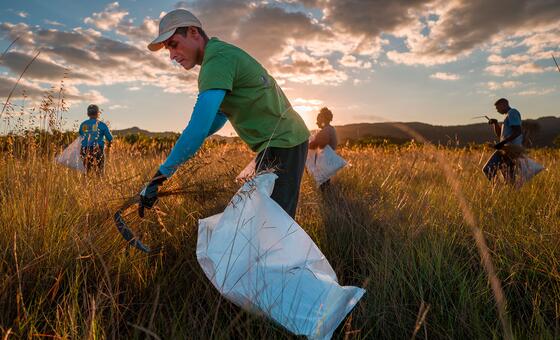
The UN reports 252 million hectares restored across 149 countries, creating over 1 million green jobs. But funding needs to quadruple to hit 2030 targets.
You know that feeling when you hear a big number and think, 'Okay, that's impressive—but is it enough?' That's pretty much the vibe coming out of the UN biodiversity conference in Yerevan this week.
Here's the headline: 252 million hectares of ecosystems are being restored across 149 countries. That's the largest restoration effort ever documented. And it's already created over 1 million green jobs. Not bad, right?
But—and there's always a but—we're still not on track to meet the 2030 goals. To get there, we'd need to speed up restoration dramatically and boost annual funding by more than four times. Yeah, that's a big gap.
### The Good News: Restoration Is Working
Let's not gloss over the wins. Restoring ecosystems isn't just about planting trees and hoping for the best. It's about bringing back wetlands, forests, grasslands—the whole mix. And it's paying off.
- **1 million+ green jobs** created globally. That's real people earning a living while healing the planet.
- **149 countries** are actively involved. This isn't a niche effort anymore.
- **252 million hectares** under restoration—that's roughly the size of Algeria, if you need a mental image.
These numbers come from a UN report presented Thursday at the Conference of the Parties (COP17) to the Convention on Biological Diversity. So it's not just hype—it's documented progress.
### The Not-So-Good News: We're Moving Too Slow
Here's where it gets real. Even with all that progress, we're falling short. The 2030 targets are ambitious, and at the current pace, we won't hit them.
"We need to accelerate restoration efforts and increase annual funding more than fourfold," the report states. That's a polite way of saying: we need way more money and way more action.
Think of it like this: you've started a home renovation project. You've got the walls painted and the floors done—great! But the kitchen is still gutted, and you've run out of budget. You can't live in half a house. Same deal here. Restoration needs to be completed, not just started.
### What Needs to Happen Next
So what's the plan? The UN is calling for:
- **Faster implementation** of restoration projects on the ground.
- **More funding**—at least four times the current annual amount.
- **Stronger policies** to support long-term ecosystem recovery.
It's not just about throwing money at the problem (though that helps). It's about smart spending, better coordination, and making sure local communities are involved. After all, they're the ones on the front lines.
### Why This Matters to You
Maybe you're thinking, 'I'm not a policymaker or a scientist—why should I care?' Fair question. Here's why: healthy ecosystems mean cleaner air, more stable food systems, and better resilience to climate change. That affects everyone, no matter where you live.
Plus, those green jobs? They're growing. Restoration projects need engineers, ecologists, project managers, and community organizers. If you're looking for a career with purpose, this is a field on the rise.
### The Bottom Line
We've made real progress—no doubt about it. But the clock is ticking, and the finish line is still far away. The UN's report is a wake-up call: celebrate the wins, but don't get comfortable. There's a lot more work to do.
And honestly? That's okay. Big challenges require sustained effort. The fact that we're even talking about restoring 252 million hectares is a huge step. Now we just need to keep going—faster, smarter, and together.