Restoring 252 Million Hectares: What's Working and What's Next
Jessica Brown ·
Listen to this article~3 min
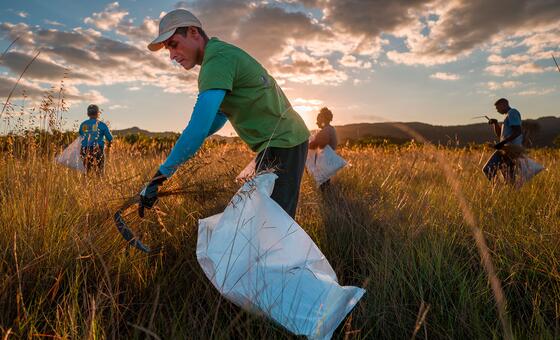
The UN reports 252 million hectares restored globally, creating over 1 million green jobs. But to hit 2030 targets, funding must quadruple. Here's what's working and what's next.
You've probably heard the numbers before—millions of hectares restored, thousands of green jobs created. But what do they really mean for the future of our planet? Let's break down the latest report from the UN Biodiversity Conference (COP17) in Yerevan, Armenia, and see where we stand.
### The Big Picture: 252 Million Hectares and Counting
Right now, 252 million hectares of ecosystems are being restored across 149 countries. That's an area roughly the size of Algeria—or about 623 million acres for those of us in the US. It's the largest restoration effort ever documented. And it's not just about trees; it's about bringing back grasslands, wetlands, and mangroves.
These efforts have already created over 1 million green jobs worldwide. That's a huge win for both the environment and local economies. But here's the catch: to meet the global goals by 2030, we need to pick up the pace—a lot.
### The Funding Gap: We Need 4x More
According to the UN report, annual funding for restoration needs to increase more than fourfold. That's a big ask, especially when many countries are still recovering from the pandemic. But the cost of inaction is far higher. Healthy ecosystems provide clean air, water, and food—not to mention they help regulate the climate.
So where will the money come from? Experts say a mix of public and private investment is key. Governments can create incentives, while businesses can tap into the growing market for sustainable products and services.
### What's Working: Success Stories from the Ground
Take Armenia, for example. The country has been actively restoring its forests and wetlands, and the results are starting to show. Local communities are seeing improved water quality and more wildlife. It's a model that other nations can learn from.
In Africa's Great Green Wall initiative, countries are working together to restore degraded land across the Sahel. So far, they've restored millions of hectares, creating jobs and improving food security.
### The Road Ahead: Challenges and Opportunities
Despite the progress, many challenges remain. Climate change is making restoration harder—droughts, wildfires, and floods can wipe out years of work in a matter of days. And without long-term funding, projects can stall.
But there's also a lot of momentum. The UN Decade on Ecosystem Restoration (2021-2030) is galvanizing action worldwide. And with the right policies and investments, we can scale up significantly.
### What You Can Do
You might not be a policymaker, but you can still make a difference. Support local restoration projects, choose sustainable products, and spread the word. Every little bit helps.
As the report makes clear, we've come a long way—but we're not there yet. The next few years are critical. Let's make them count.