Restoring 623 Million Acres: The UN's Big Plan Hits a Speed Bump
Liam Bennett ·
Listen to this article~4 min
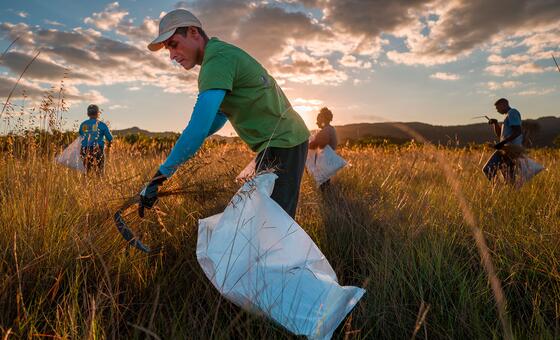
The UN reports that 623 million acres are being restored worldwide, creating 1 million green jobs. But funding must quadruple to meet 2030 goals.
You've probably heard the phrase "every little bit helps" when it comes to recycling or saving water. But when it comes to healing the planet, the scale of the effort is staggering—and the latest news from the UN Biodiversity Conference (COP-17) in Yerevan, Armenia, shows both how far we've come and how much further we need to go.
### The Good News: A Global Restoration Boom
According to a UN report presented Thursday, the world is currently restoring 252 million hectares (that's about 623 million acres) of ecosystems across 149 countries. This is the largest documented restoration effort in history. To put it in perspective, that's an area roughly the size of Mexico and Spain combined. These projects have also generated over 1 million "green jobs"—positions in reforestation, sustainable agriculture, and ecosystem management.
That's a big deal. It means that restoration isn't just about planting trees; it's about creating livelihoods and strengthening communities. From the Amazon to the Sahel, local groups are leading the charge, often with support from international funds.
### The Not-So-Good News: We're Behind Schedule
But here's the catch: to meet the global commitments set for 2030, we need to pick up the pace—dramatically. The report states that annual funding for restoration must increase more than fourfold to stay on track. Right now, investments are falling short, and the clock is ticking.
Why the shortfall? There's no single reason. Some countries struggle with governance and land rights. Others lack the technical know-how or the financial mechanisms to scale up projects. And then there's the simple fact that restoration is a long-term game—it can take years, even decades, to see full results.
### What's Being Done to Bridge the Gap?
At COP-17, delegates are discussing ways to mobilize resources and improve coordination. One proposal is to create a global restoration fund that would pool contributions from governments, private companies, and philanthropies. Another idea is to use carbon markets to incentivize restoration, allowing companies to offset emissions by investing in projects that sequester carbon.
But as one delegate put it, "We can't just throw money at the problem. We need to ensure that funds reach the right hands and that projects are designed with local communities in mind."
### What Can You Do?
As an individual, you might feel like these global negotiations are far removed from your daily life. But there are ways to contribute:
- **Support restoration-focused organizations**: Many NGOs work directly with communities to restore ecosystems. Your donation can help them scale up.
- **Choose sustainable products**: Look for certifications like Forest Stewardship Council (FSC) for wood and paper, or Rainforest Alliance for food products.
- **Get involved locally**: Join a tree-planting event or a community garden. Every little bit does help, even if it's just a few square feet at a time.
### The Road Ahead
The UN report makes it clear: we've made remarkable progress, but we're not moving fast enough. The 2030 goals are ambitious, and achieving them will require unprecedented collaboration and investment. The next few years will be critical.
So, the next time you hear about a reforestation project or a new green job, remember that it's part of a much larger puzzle. And while the picture isn't complete yet, every piece matters.
What are your thoughts on global restoration efforts? Have you been involved in any local projects? Share your experiences in the comments below—we'd love to hear from you.