What Botswana, Kazakhstan, and Kenya Know About Restoring the Land That Feeds Us
Eleanor Vance ·
Listen to this article~4 min
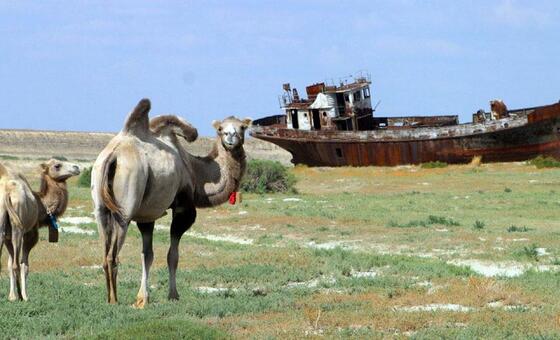
Botswana, Kazakhstan, and Kenya all learned the same lesson: restoring pastureland works best when science teams up with traditional knowledge. Here's how that partnership is transforming degraded land.
What do Botswana, Kazakhstan, and Kenya have in common? On the surface, not much. Different continents, different climates, different cultures. But dig a little deeper, and you'll find they've all arrived at the same hard-won lesson: restoring degraded pastureland works best when science and traditional knowledge team up.
That's not a small insight. For decades, the default approach to land restoration was top-down. Experts would fly in, run soil tests, and prescribe solutions that often ignored the people who actually lived on the land. The results were mixed at best. But across these three countries, a different pattern is emerging—one that respects both data and lived experience.
### Why Traditional Knowledge Matters More Than You Think
Here's the thing about pastoralist communities: they've been reading the land for generations. They know which grasses appear after a good rain, which watering holes stay reliable through a drought, and how to move livestock in ways that let the soil recover. That's not folklore—it's accumulated observation.
But traditional knowledge has limits. It can't always predict the long-term effects of climate change or tell you exactly how much carbon a particular soil type can sequester. That's where science steps in. Modern tools like satellite imagery, soil sensors, and data modeling can fill in the gaps.
The magic happens when you combine the two. Scientists get ground-truthing from people who know the landscape intimately. Communities get access to technologies that stretch their knowledge further than they ever thought possible.
### A Shared Playbook Across Three Continents
So what does this collaboration actually look like in practice? Here are a few patterns that keep showing up:
- **Community-led mapping:** Herders and farmers work with researchers to map degraded areas and prioritize restoration sites based on both ecological data and local needs.
- **Adaptive grazing plans:** Traditional rotational grazing gets a boost from GPS tracking and rainfall data, making it more precise and sustainable.
- **Seed banks with a local twist:** Scientists identify native grass species that thrive in specific conditions, then partner with communities to grow and distribute them.
- **Training that flows both ways:** It's not just researchers teaching locals. It's locals teaching researchers about micro-climates and animal behavior that no textbook captures.
These aren't one-off projects either. In Kenya, community conservancies have become models for combining wildlife protection with livestock grazing. In Kazakhstan, vast steppe lands are being rehabilitated using methods that blend Soviet-era research with nomadic herding traditions. And in Botswana, the Okavango Delta region shows how careful management can keep both wildlife and cattle healthy.
### The Economic Case for Restoration
Let's talk about money for a second, because restoration isn't just an environmental issue—it's an economic one. Degraded land means less forage, which means weaker livestock, which means lower incomes for families who depend on them. The cycle is brutal.
Restoring just a few acres can change that trajectory. Healthier soil holds more water, supports more diverse plant life, and can even store more carbon. Over time, that translates to better grazing, higher livestock weights, and more resilience against drought.
### What This Means for the Future
We're not saying this is easy. It takes patience, trust, and a willingness to admit that neither science nor tradition has all the answers alone. But the evidence is mounting that this hybrid approach works.
For anyone working in land management, agriculture, or climate policy, the lesson is clear: stop treating local knowledge as a nice-to-have and start treating it as a critical data source. The land that feeds the world is too important to manage with one hand tied behind our backs.
The next time you hear about a big restoration project, ask yourself: who's actually making the decisions? If the answer doesn't include the people who live there, it's probably missing something important.