The Land That Feeds the World: How Kenya and Kazakhstan Are Restoring Their Pastures
Katrin Fischer ·
Listen to this article~5 min
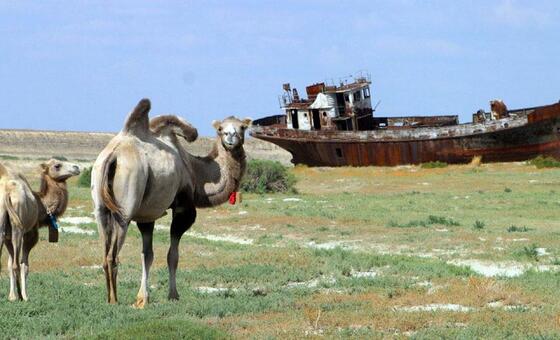
What do Botswana, Kazakhstan, and Kenya have in common? They've all learned that restoring pastureland works best when science teams up with traditional knowledge. Here's how it's happening.
What do Botswana, Kazakhstan, and Kenya have in common? It's not just vast open spaces or a shared love for livestock. Over the years, they've all learned a hard-won lesson: restoring pastureland works best when science and traditional knowledge join forces.
For decades, the conventional approach to land management was simple—maximize output, ignore the signs of stress, and push the soil until it breaks. The result? Dust bowls, degraded grazing grounds, and communities left wondering where their next meal would come from. But a quiet revolution is taking place, and it's happening right under our feet.
### The Hidden Crisis Beneath Our Feet
Pasturelands cover roughly 40 percent of the Earth's land surface, yet most people never give them a second thought. These aren't just empty stretches of grass. They're complex ecosystems that support millions of livelihoods, store carbon, and filter water. When they degrade, the effects ripple outward—less food, more poverty, and a hotter planet.
In Kenya, overgrazing and erratic rainfall have turned once-lush grasslands into hard, cracked earth. In Kazakhstan, decades of intensive farming under Soviet rule left vast tracts of steppe barren and unproductive. The old ways weren't working, and the land was telling them so.
### What Science Brings to the Table
Modern research has given us tools our ancestors never had. Satellite imagery, soil sensors, and data analytics now allow herders to see exactly where their animals should graze and for how long. This isn't about replacing traditional wisdom—it's about refining it.
For example, scientists in Kenya have mapped migration patterns of wildlife and livestock to identify which areas need rest. By rotating grazing zones based on real-time data, they've seen grass regrow in places that were bare just a few years ago. The numbers are striking: some restored plots now support up to 70 percent more forage than degraded ones.
### The Power of Traditional Knowledge
Here's the thing—local communities have been reading the land for generations. They know which plants signal healthy soil, when to move herds, and how to predict weather patterns from subtle cues. Ignoring this knowledge would be a mistake, and the most successful projects are the ones that treat it as equal to scientific data.
In Kazakhstan, herders have revived a practice called "close herding," where animals are kept in tight groups that mimic the behavior of wild herds. This trampling action breaks up hard soil, works in organic matter, and spreads seeds naturally. It's a technique that predates modern agriculture, yet it's now being validated by university studies.
### A Shared Playbook for the Future
The lessons from Kenya and Kazakhstan are spreading. Both countries have started exchanging ideas, and the results are encouraging. A few key principles have emerged:
- **Let the land rest:** Rotational grazing gives grass time to recover before animals return.
- **Mix old and new:** Use data to guide decisions, but let local elders have the final say on the ground.
- **Measure what matters:** Track soil health, not just animal weight, to gauge true progress.
- **Build trust:** Scientists need to spend time in the field, not just in labs, to earn credibility.
These aren't just abstract ideas. In Botswana, similar approaches have transformed degraded plots into working pastures within four years. The same playbook is being adapted for different climates and cultures across Africa and Central Asia.
### Why This Matters to You
You might be thinking, "I don't live on a ranch, so why should I care?" Here's the connection: the food on your table, the price of beef at the grocery store, and even the air you breathe are all tied to the health of these grasslands. When pastures thrive, they pull carbon out of the atmosphere and keep food prices stable. When they fail, we all pay the price.
### The Road Ahead
There's no silver bullet here. Restoring pastureland is slow, patient work that requires humility from scientists and openness from communities. But the early results are promising. In Kenya, some regions have seen water tables rise by several feet as vegetation returns. In Kazakhstan, bird species that hadn't been spotted in decades are making a comeback.
The land that feeds the world is getting a second chance, not because of any single breakthrough, but because people finally remembered that nature doesn't need to be conquered—it needs to be understood. And sometimes, the oldest wisdom is the newest science.