Why Kenya and Kazakhstan Are Quietly Restoring the World's Grasslands
Michael Brown ·
Listen to this article~5 min
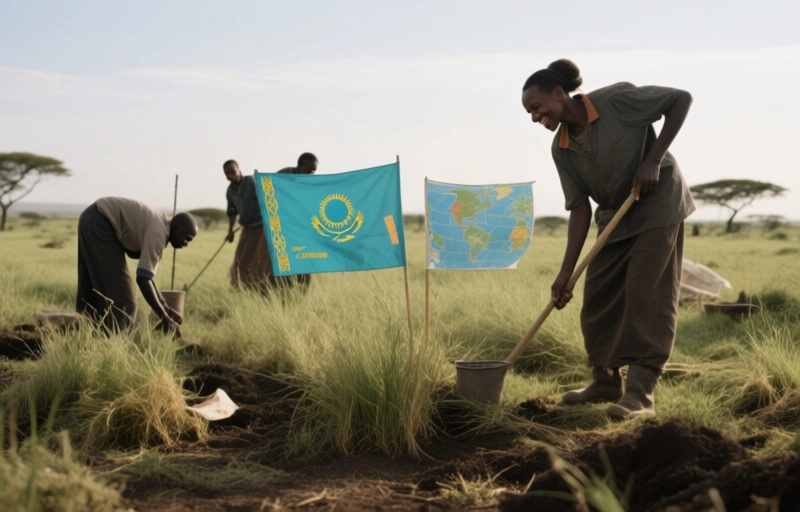
Kenya, Kazakhstan, and Botswana have all learned the same lesson: restoring pastureland works best when science and traditional knowledge join forces. Here's how it's happening.
What do Botswana, Kazakhstan, and Kenya have in common? At first glance, not much. One is a diamond-rich nation in southern Africa, another is a vast Central Asian steppe, and the third is famous for its savannas and wildlife safaris. But dig a little deeper, and you'll find they've all learned the same hard-won lesson over the years: restoring pastureland works best when science and traditional knowledge join forces.
It's a lesson that's becoming more urgent by the day. Grasslands cover roughly 40 percent of the Earth's land surface, yet they're disappearing faster than rainforests. Overgrazing, drought, and poor land management have turned once-lush pastures into dust bowls. The good news? There's a proven path forward, and it doesn't require high-tech gadgets or billions in funding. It requires listening, adapting, and working with nature instead of against it.
### The Hidden Crisis in the World's Pastures
Here's the thing about grasslands: they look simple, but they're incredibly complex ecosystems. A single acre of healthy pasture can support hundreds of plant species, thousands of insects, and a web of soil microbes that most of us never think about. When that balance breaks, the whole system collapses.
In Kazakhstan, decades of Soviet-era farming policies left huge tracts of land degraded. In Kenya, population pressure and climate change have pushed traditional herders into smaller and smaller areas, forcing them to overgraze. And in Botswana, severe droughts in recent years have exposed how fragile the country's rangelands really are.
The result? Soil erosion, desertification, and a steady decline in the number of animals the land can support. For the millions of people who depend on livestock for their livelihoods, this isn't just an environmental issue. It's a matter of survival.
### Why Science Alone Isn't Enough
You might think the answer is simple: bring in the scientists, run some studies, and implement the best practices. But that approach has failed time and time again. The reason? Local communities have been managing these lands for generations, and they know things that satellite imagery and soil samples simply can't capture.
Take the Maasai herders in Kenya, for example. They've developed sophisticated rotational grazing systems over centuries, moving their cattle in patterns that mimic the natural migration of wild herds. These practices keep the grass healthy, prevent overgrazing, and maintain biodiversity. But when outside experts came in with modern techniques, they often ignored this local wisdom. The result was usually disaster.
The same story played out in Kazakhstan. Soviet collectivization destroyed traditional nomadic grazing patterns, and the land has never fully recovered. Even today, many restoration projects focus on technical solutions while overlooking the knowledge that nomadic herders carried for centuries.
### The Power of Blending Old and New
So what's working? In all three countries, the most successful projects share a common thread: they treat local herders as partners, not obstacles. Scientists bring their tools, yes, but they also sit down with communities and ask a simple question: "What have you seen work?"
In Kenya, this has meant combining GPS tracking of cattle with traditional dry-season grazing routes. Herders use modern weather forecasts to plan their moves, but they still rely on elders to read the land and decide when to shift. In Kazakhstan, researchers are working with nomadic families to map traditional migration corridors, then using satellite data to identify which areas need the most urgent restoration.
- Local knowledge identifies what plants and animals belong in each ecosystem
- Scientific data shows where degradation is happening fastest
- Community-led decisions ensure that restoration efforts actually get maintained
- Modern tools like drones and soil sensors provide real-time feedback
This isn't about choosing one approach over the other. It's about recognizing that both have value, and that the best results come from combining them.
### What This Means for the Rest of Us
Here's the part that should grab your attention: these lessons apply far beyond Kenya, Kazakhstan, or Botswana. Ranchers in the American West face similar challenges. Farmers in Australia are dealing with the same drought pressures. And as climate change accelerates, every country with grazing land will need to figure out how to restore it.
The takeaway is simple. We can't afford to dismiss traditional knowledge as outdated. And we can't rely on science alone to solve problems that are deeply rooted in local culture and history. The future of the world's grasslands depends on our ability to listen, learn, and work together.
It's not the flashiest solution. There's no shiny new app or billion-dollar technology behind it. But it's working, acre by acre, in some of the most challenging environments on Earth. And that's a lesson worth paying attention to.