The Ground Beneath Our Feet: How Kenya and Kazakhstan Are Restoring the World's Grasslands
Jeroen de Vries ·
Listen to this article~4 min
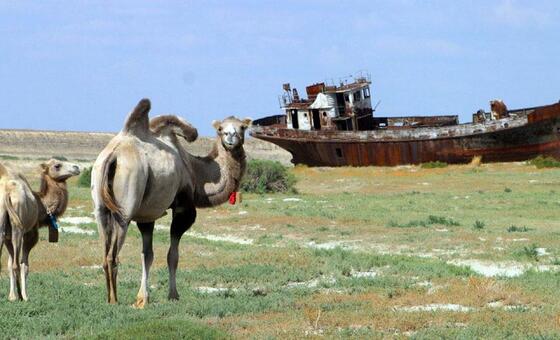
What do Botswana, Kazakhstan, and Kenya have in common? They've all learned that restoring pastureland works best when science combines with traditional knowledge. Here's how.
What do Botswana, Kazakhstan, and Kenya have in common? At first glance, not much. Different continents, different cultures, different climates. But ask anyone who works the land, and they'll tell you: these nations have all learned the same hard-won lesson over the years. Restoring pastureland works best when science shakes hands with traditional knowledge.
That's a big deal. Because grasslands cover roughly 40 percent of Earth's land surface, and they feed billions of livestock. They also store carbon, filter water, and support wildlife. When they degrade, everything suffers. When they recover, entire communities breathe easier.
### The Hidden Crisis in Plain Sight
Overgrazing, drought, and poor land management have turned once-lush pastures into dust bowls. In Kenya, the Maasai have watched their dry-season reserves shrink. In Kazakhstan, vast tracts of steppe—some of the most productive grazing land on the planet—have been abandoned or overused since the Soviet era. Botswana faces similar pressures in the Kalahari.
The numbers are sobering. The United Nations estimates that up to 70 percent of global grasslands are degraded to some degree. That's not just an environmental problem. It's an economic and social one, too.
### Why Traditional Knowledge Matters
Here's the thing: local herders have been managing these landscapes for centuries. They know which grasses recover fastest after rain. They know when to move livestock and when to let the land rest. They've developed rotational grazing patterns that mimic the natural movement of wild herds.
Modern scientists used to dismiss this as folklore. Now, they're listening.
- In Kenya, researchers are working with Maasai elders to map traditional grazing corridors.
- In Kazakhstan, herders are reviving ancient transhumance routes that allow seasonal recovery.
- In Botswana, community-managed grazing reserves are outperforming fenced commercial ranches.
### The Science Behind the Revival
Satellite imagery and soil sensors now confirm what herders always knew: short, intense grazing followed by long recovery periods builds healthier roots and richer soil. This method, sometimes called holistic planned grazing, has gained traction worldwide.
One study in the Kenyan highlands found that rotational grazing increased grass biomass by nearly 40 percent within two years. Soil organic matter rose by 12 percent. Water infiltration improved dramatically. And wildlife returned—including species that had vanished decades ago.
In Kazakhstan, similar approaches have helped restore over 2 million acres of steppe. The key, researchers say, is matching the right science to the right local practice. One-size-fits-all solutions fail. Context is everything.
### A Blueprint for the Future
So what can we learn from these three very different countries? First, that restoration isn't just about planting seeds or building fences. It's about people. When communities have a stake in the outcome, they invest in long-term health rather than short-term gain.
Second, technology is a tool, not a replacement. Drones and data help, but they can't replace the intuition of a herder who has watched the sky for fifty years. The best projects pair both.
Third, patience pays. Grasslands don't recover overnight. It takes seasons, sometimes decades. But the payoff—in food security, climate resilience, and biodiversity—is worth the wait.
### The Road Ahead
There's no single magic bullet. But the growing collaboration between scientists and traditional stewards offers real hope. Whether it's the Maasai in Kenya, the steppe herders of Kazakhstan, or the pastoralists of Botswana, the message is the same: when we respect the land and the people who know it best, we all win.
The ground beneath our feet is alive. It's time we treat it that way.