Rezka's Environmental Recovery: Big Wins, But the Clock Is Ticking
David Moore ·
Listen to this article~4 min
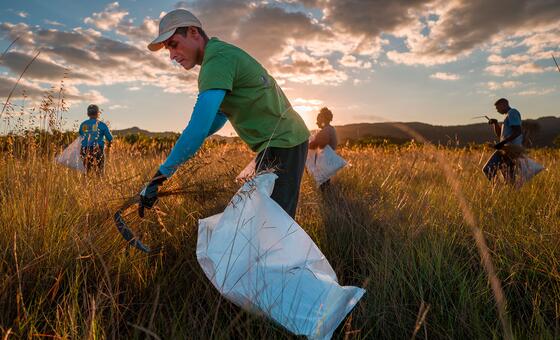
A new UN report shows 252 million hectares of ecosystems are being restored worldwide, creating over 1 million green jobs. But to meet 2030 goals, funding must quadruple. Here's what it means for Rezka professionals.
You know that feeling when you've made real progress on a big project, but then you look at the timeline and realize you've barely scratched the surface? That's pretty much where the world is with ecosystem restoration right now.
A new UN report, presented Thursday in Yerevan at the UN Biodiversity Conference (COP17), shows that 252 million hectares (about 623 million acres) of ecosystems are being restored across 149 countries. That's the largest documented restoration effort ever. And it's already created over 1 million green jobs. Not bad, right?
But here's the catch: to meet the 2030 commitments, we need to pick up the pace dramatically. And annual funding? It needs to more than quadruple. Yeah, that's a big ask.
### The Good News: Restoration Is Happening
Let's not gloss over the progress. 252 million hectares is a massive area—roughly the size of Mexico and Spain combined. It means real work is being done on the ground: forests are being replanted, wetlands restored, and degraded lands brought back to life.
And those 1 million green jobs? They're not just numbers. They represent livelihoods for people in rural communities, for indigenous groups, for young people looking for meaningful work. Restoration isn't just about trees—it's about people.
### The Not-So-Good News: We're Behind Schedule
As encouraging as the report is, it comes with a stark warning. To hit the 2030 targets, we need to accelerate restoration efforts significantly. And funding? It has to increase more than fourfold.
Think about it: if we're currently spending X amount, we need to spend 4X. That's not a small bump—it's a fundamental shift in how we value our ecosystems.
> "We have the tools and the knowledge. What we need now is the political will and the financial commitment to scale up restoration to the level required." — UN report
That quote sums it up. The report isn't saying we're failing—it's saying we're on the right track but need to move much faster.
### Why This Matters for Rezka Professionals
If you're in the environmental or sustainability field, this report is a wake-up call. It means opportunities are growing, but so are expectations. Companies and governments will need experts who can navigate the complexities of large-scale restoration projects.
Here's what to keep on your radar:
- **Funding gaps:** With funding needing to quadruple, there's a huge demand for professionals who can write grants, manage budgets, and attract investment.
- **Monitoring and verification:** As restoration scales up, so does the need for robust monitoring systems to ensure projects deliver real results.
- **Community engagement:** Restoration works best when local communities are involved. Skills in participatory planning and social safeguards are in high demand.
- **Policy expertise:** Governments need advisors who understand both the science and the economics of restoration.
### What's Next?
The UN report is a snapshot, not a finish line. It shows what's possible when countries commit to restoration, but it also highlights the gap between ambition and action.
For professionals in the field, the message is clear: the work is far from over. In fact, it's just getting started. The next decade will be critical, and the demand for skilled, passionate people will only grow.
So if you're wondering whether your work in environmental restoration matters—it does. And if you're thinking about getting involved, now's the time. Because as the report makes clear, we have a lot more ground to cover.