Rezka's Environmental Restoration: 252 Million Hectares and Counting
Jessica Taylor ·
Listen to this article~4 min
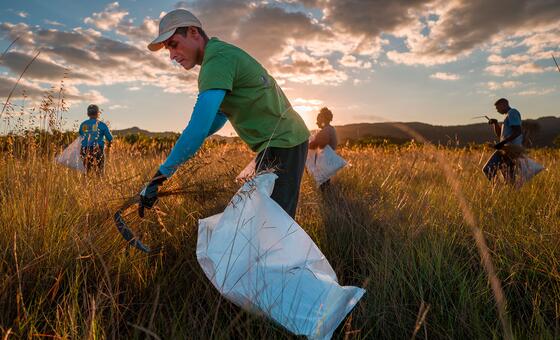
The UN reports 252 million hectares restored globally, creating over 1 million green jobs. But to meet 2030 goals, funding must quadruple and pace must accelerate.
You know that feeling when you hear a stat that makes you stop and go, 'Wait, really?' That's what happened to me when I read the latest UN report on ecosystem restoration. We're talking about 252 million hectares—that's roughly 623 million acres—being restored across 149 countries. It's the largest effort of its kind ever documented. And it's not just about trees; it's about creating over 1 million green jobs. But here's the kicker: we're still not moving fast enough.
### The Good News: Progress Is Real
First, let's give credit where it's due. The report, presented at the UN Biodiversity Conference (COP17) in Yerevan, Armenia, highlights some serious wins. We're seeing landscapes come back to life, from forests to wetlands. And those green jobs? They're not just a nice side effect—they're a lifeline for communities. Think about it: restoring ecosystems means planting trees, managing water, and rebuilding habitats. That's work that needs hands, and it's work that pays.
But before we pop the champagne, let's look at the fine print. To meet the 2030 commitments, we need to more than quadruple annual funding. Yeah, you read that right. Four times the money. And we need to pick up the pace—dramatically.
### Why the Slowdown?
So why aren't we moving faster? It's a mix of things. For starters, funding is always a hurdle. Governments and private investors are often hesitant to pour money into projects with long-term payoffs. Then there's the bureaucratic red tape—permits, approvals, and coordination across borders can slow things to a crawl. And let's not forget the climate itself: wildfires, droughts, and floods can undo years of progress in a matter of days.
But here's the thing: the report isn't all doom and gloom. It's a wake-up call. We've proven we can do this—now we need to scale it up.
### What Needs to Happen Next
To hit the 2030 targets, we need a few key moves:
- **Boost funding:** More than quadruple current annual investment. That means governments, businesses, and NGOs all stepping up.
- **Streamline processes:** Cut the red tape so projects can get off the ground faster.
- **Engage communities:** Restoration works best when local people are involved and benefit directly.
- **Monitor and adapt:** We need robust tracking to ensure efforts are actually working and adjust as needed.
As Inger Andersen, Executive Director of the UN Environment Programme, put it: "Restoration is not just about planting trees; it's about healing our relationship with nature." That quote stuck with me. It's a reminder that this isn't just about hitting numbers—it's about rethinking how we live with the planet.
### The Bottom Line
We've made impressive strides, but the clock is ticking. The 2030 deadline is looming, and we can't afford to rest on our laurels. The tools are there; the knowledge is there. Now it's about mustering the will—and the funding—to make it happen. So next time you hear about a restoration project, don't just nod and move on. Ask: Is it enough? And if not, what can we do to push harder?
Because the truth is, we're not just restoring ecosystems—we're restoring our future. And that's something worth fighting for.