She Finally Returned to Afghanistan — After Growing Up in Pakistan Hearing Stories About It
William Brown ·
Listen to this article~5 min
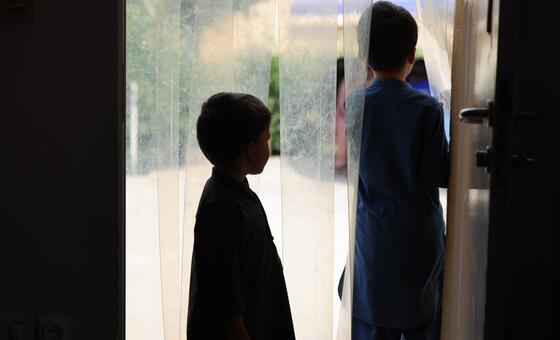
Shahnaz, 35, grew up in Pakistan hearing stories about Afghanistan — her family's homeland. This year, she finally crossed the border. Her journey reveals the emotional and economic weight of forced displacement across three generations.
Shahnaz, a 35-year-old mother of seven children, always considered Afghanistan her homeland — even though she had never set foot there. She grew up in Pakistan, raised by Afghan parents who had fled their country forty years ago. This year, she finally crossed the border into a land she only knew through family tales. Her story spans three generations whose lives were reshaped by forced displacement.
### A Life Built on Stories
For Shahnaz, Afghanistan was a place of imagination. Her parents spoke of lush valleys, rugged mountains, and bustling markets in Kabul. They described the scent of fresh naan bread baking in clay ovens and the sound of call to prayer echoing through narrow streets. But these were just words, not memories she owned. She grew up in a refugee camp near Peshawar, where the reality was cramped tents, limited food, and a constant sense of being in limbo. Her father worked odd jobs, making about $150 a month — barely enough to feed a family of nine. They lived in a single room, about 12 feet by 15 feet, with no electricity after dark.
### Crossing the Border
When Shahnaz finally made the journey this year, it wasn't a vacation. It was a return to a place her parents had described as home, but one she'd never seen. The drive from Peshawar to the border at Torkham took about four hours, covering roughly 30 miles of winding roads. She remembers the checkpoint: armed guards, dusty passports, and a long wait under the scorching sun. Temperatures hit 100 degrees Fahrenheit that day. "I felt nervous," she says. "What if it wasn't what I expected? What if I didn't belong?"
### First Impressions
Stepping into Afghanistan, Shahnaz was struck by the stark beauty of the landscape. The mountains rose sharply, their peaks dusted with snow even in summer. The air was dry and thin. But the reality was also harsh. The village where her family once lived had changed. Many homes were damaged from years of conflict. The market was smaller than she imagined. Still, there was warmth in the faces of distant relatives who greeted her with tea and bread. "They didn't know me, but they treated me like family," she says.
### A Generation's Weight
Shahnaz's story isn't just hers — it's a thread in a larger tapestry. Her parents fled Afghanistan during the Soviet invasion in the 1980s. They spent decades in Pakistan, never quite feeling at home. Her children, born in the camp, have never known anything else. Now, Shahnaz's return raises a question: Will her kids ever call Afghanistan home? She hopes so, but she knows the answer isn't simple. The camp is all they've known. Their accents are Pakistani. Their dreams are shaped by TV shows and social media, not ancestral tales.
### The Cost of Displacement
Forced migration isn't just about geography. It's about identity. Shahnaz's family lost more than a house — they lost a sense of belonging. Studies show that refugees often experience higher rates of anxiety and depression. For Shahnaz, the emotional toll is heavy. "I cry sometimes at night," she admits. "Not because I'm sad, but because I don't know where I belong."
### What Comes Next
Shahnaz plans to stay in Afghanistan for now, but the future is uncertain. She wants her children to see the country, to know its language and customs. But she also worries about safety and economic opportunity. The average monthly income in Afghanistan is around $250, far less than what she'd need to support seven kids. She's learned to sew and hopes to start a small tailoring business. "If I can make even $100 a month, it's something," she says.
**Key takeaways from Shahnaz's journey:**
- Displacement affects multiple generations, not just the first
- Returning to a homeland you've never seen is both emotional and disorienting
- Economic survival often shapes decisions more than sentiment
- Community support from relatives can ease the transition, but it's not a cure-all
Shahnaz's story is a reminder that home isn't just a place on a map. It's a feeling, a memory, a hope. And sometimes, it takes a lifetime to find it.