Shipwreck Off Djibouti: At Least 15 Children Among the Dead
Robert Smith ·
Listen to this article~3 min
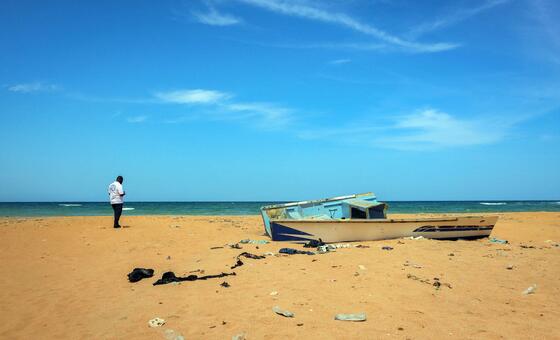
At least 139 migrants died in a shipwreck off Djibouti, with 84 still missing. Among the dead are at least 15 children, according to UNICEF. A heartbreaking reminder of the dangers migrants face.
When a boat capsizes in the middle of the night, the sea doesn't care who you are. It doesn't care about your age, your dreams, or the reason you boarded in the first place. Last week, off the coast of Djibouti, that brutal reality hit home once again. At least 139 migrants died when their vessel went down. Another 84 people are still missing, according to the International Organization for Migration (IOM). And here's the part that really gets me: among the dead are at least 15 children. Kids. Just kids.
### The Numbers Behind the Tragedy
Let's break it down, because numbers have a way of making us numb—but they shouldn't.
- 139 confirmed dead
- 84 still unaccounted for
- 15 children confirmed among the fatalities
That's not just a statistic. That's 223 families whose lives just shattered. The IOM reported the shipwreck, and UNICEF confirmed the heartbreaking detail about the children. These aren't abstract figures. They're someone's son, someone's daughter, someone's little brother or sister.
### Why Were They on That Boat?
You might wonder: why would anyone risk their life on a crowded, unsafe vessel? The answer is almost always the same—desperation. Many of these migrants were likely trying to reach the Arabian Peninsula, hoping for work and a better future. Djibouti sits right at a crossroads between Africa and the Middle East, making it a common departure point for these dangerous journeys.
But here's the thing: the boats are often flimsy, overcrowded, and captained by smugglers who care more about money than human lives. When something goes wrong, there's no rescue team on standby. No life jackets. No second chance.
### The Human Cost We Can't Ignore
I keep coming back to those 15 children. What were they thinking in those final moments? Were they scared? Were they holding onto someone's hand? We'll never know. But we do know that no child should ever die like that—not for any reason.
The IOM and UNICEF are calling for more action to prevent these tragedies. But honestly, words feel hollow when the same thing keeps happening over and over. The route from the Horn of Africa to Yemen is one of the deadliest in the world. And yet, people keep taking it because they feel they have no other choice.
### What Happens Next?
Search and rescue efforts are ongoing, but hope is fading for the 84 missing. The IOM is providing support to survivors and families, but the scale of this disaster is overwhelming. Meanwhile, officials are urging stronger international cooperation to address the root causes—poverty, conflict, and lack of opportunity.
It's easy to look away when the news is this grim. But these people aren't just a headline. They're human beings who deserved better. Much better.
So, what can we do? Maybe just remember them. Say their stories out loud. And demand that world leaders do more than offer thoughts and prayers. Because 15 children is 15 too many.
If this story moved you, share it. Sometimes awareness is the first step toward change.