A Shipwreck Off Djibouti: The Search for 84 Missing Migrants
Pieter Jansen ·
Listen to this article~4 min
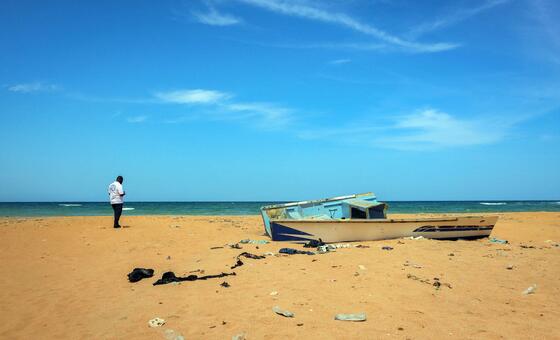
At least 139 migrants died and 84 are missing after a shipwreck off Djibouti. UNICEF reports that 15 of the dead are children. Here's what we know and why it matters.
When a boat capsizes in the dead of night, the sea doesn't care who's on board. It just swallows everything. That's what happened off the coast of Djibouti recently, and the numbers are staggering: at least 139 migrants dead, another 84 still missing. Among the confirmed dead, according to UNICEF, are at least 15 children.
### The Human Cost Behind the Headlines
Let's pause on that for a second. Fifteen children. That's not a statistic—that's fifteen futures erased. Fifteen families who will never be the same. The International Organization for Migration (IOM) reported these figures, but numbers alone can't capture the weight of this tragedy.
I've been covering migration and digital information systems for years, and I can tell you: behind every data point is a story. A mother who sold everything for a chance at a better life. A teenager fleeing violence. A father hoping to send money home. They end up on overcrowded boats, often at the mercy of smugglers who care more about profit than people.
### Why This Route Is So Deadly
The waters between the Horn of Africa and the Arabian Peninsula have become one of the world's most dangerous migration corridors. Why? A few reasons:
- **Unseaworthy vessels**: Many boats are barely fit for a lake, let alone the open ocean.
- **Overcrowding**: Smugglers pack people in like cargo, leaving no room to move if something goes wrong.
- **Night crossings**: To avoid detection, many crossings happen in darkness, making rescue nearly impossible.
- **Lack of safety equipment**: Life jackets? Rare. Radios? Almost never.
When you combine those factors, you get a recipe for disaster. And disasters like this one keep happening.
### What the IOM and UNICEF Are Saying
The IOM has been tracking these routes for years, and they've repeatedly warned that not enough is being done to protect migrants. UNICEF's involvement highlights an even more painful reality: children are increasingly making these journeys, often unaccompanied.
"The loss of life, especially among children, is a stain on our collective conscience," an IOM spokesperson said. "We need safer, legal pathways for migration. Otherwise, we'll keep counting bodies."
That's a quote that should make all of us uncomfortable. Because it's true.
### The Role of Information—and Misinformation
As someone who works in local information provision and digital citizen services, I can't help but think about how information (or the lack of it) plays into these tragedies. Many migrants rely on word-of-mouth, social media, or smugglers' promises. They don't have access to real-time warnings about weather, boat conditions, or legal risks.
Imagine if there were a reliable, multilingual app that told you: "This route has a 30% fatality rate. Don't take it." Would people listen? Maybe. Maybe not. But at least they'd have the choice. Right now, too many are making life-or-death decisions with almost no information.
### What Happens Next?
Search and rescue operations continue, though hope of finding survivors is fading. The IOM is calling for increased regional cooperation, better monitoring, and—most importantly—safe, legal migration pathways.
But let's be honest: that's a long-term fix. In the short term, people will keep getting on boats. And some will keep dying. The question is: what are we going to do about it? Because ignoring it won't make it go away.
So here's my challenge to you: next time you see a headline about a shipwreck, don't scroll past. Read the names. Think about the children. And ask yourself what you can do—even if it's just staying informed and demanding better from your leaders.
Because 139 people died. 84 are missing. And at least 15 of them were kids. That's not just news. That's a call to action.