Why South Sudan's Forgotten Crisis Is Spiraling Out of Control
Marieke van den Berg ·
Listen to this article~4 min
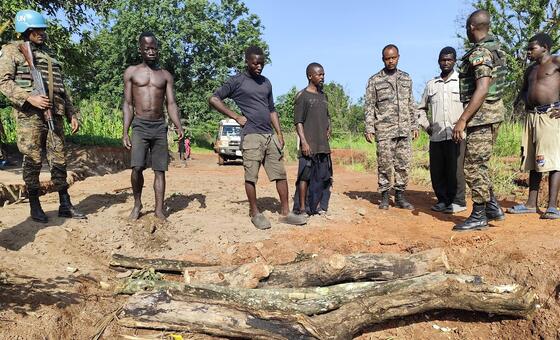
South Sudan's humanitarian crisis is worsening as renewed fighting spreads. The UN warns of growing risks of mass atrocities. Here's what's happening and why the world needs to pay attention.
It's easy to miss what's happening in South Sudan. The headlines have moved on, the cameras have packed up, and the world's attention has drifted elsewhere. But behind that silence, a humanitarian disaster is quietly getting worse — and the warning signs are impossible to ignore.
According to the UN Commission on Human Rights in South Sudan, which was established by the Human Rights Council, the risk of large-scale atrocities is growing as renewed fighting spreads across the African nation. That's not hyperbole. That's a formal, official warning from people who track these things for a living.
### What's Actually Happening on the Ground
South Sudan has been trapped in a cycle of violence for years, but the recent resurgence of armed conflict has pushed things to a dangerous new level. The UN is now sounding the alarm that as battles expand into new areas, civilians are being caught in the crossfire — and the potential for mass violence is climbing by the day.
Here's what makes this crisis different from the headlines you might remember:
- The fighting isn't isolated to one region anymore. It's spreading.
- Humanitarian access is shrinking, meaning aid workers can't reach the people who need help most.
- Food insecurity is worsening, with millions already facing severe hunger.
- Displacement numbers are climbing, putting more pressure on already fragile communities.
The combination of these factors is a recipe for catastrophe. And the UN's warning isn't just about what could happen — it's about what's already unfolding.
### Why the World Stopped Paying Attention
Let's be honest: South Sudan hasn't been in the news cycle for a while. There are a lot of reasons for that. Competing crises, short attention spans, and the sheer complexity of the situation all play a role. But just because the cameras left doesn't mean the suffering ended.
The reality is that this crisis has been simmering beneath the surface, and now it's boiling over. The UN commission's latest assessment makes it clear that the situation is deteriorating faster than most people realize.
> "The risk of mass atrocities is real and growing. The international community cannot afford to look away." — UN Commission on Human Rights in South Sudan
That quote isn't from a press release designed to grab attention. It's a sober assessment from a body that has been monitoring the region for years. When they use language like that, it's worth paying attention.
### What Could Happen Next
No one can predict the future with certainty, but the trajectory is troubling. If the fighting continues to expand and humanitarian access remains restricted, the consequences could be devastating. We're talking about potential mass displacement, famine, and yes — atrocities on a scale that the world has seen before and sworn never to repeat.
The UN's warning is a call to action, not just for governments but for anyone who cares about human rights. The question is whether the international community will respond before it's too late.
### Why This Matters to You
You might be wondering why this should matter to someone living thousands of miles away. Here's the thing: we've seen time and again that when the world ignores early warning signs, the cost is much higher later. Whether it's humanitarian aid, diplomatic pressure, or peacekeeping efforts, the choices made now will shape what happens next.
South Sudan's crisis isn't just a regional problem. It's a test of whether the international community can learn from past mistakes. And right now, the signs aren't encouraging.
The situation is urgent, the warning is clear, and the window for action is narrowing. The only question left is whether anyone will listen before it's too late.