South Sudan's December Elections Face a Hard Truth: Conditions Are Not Ready
William Taylor ·
Listen to this article~4 min
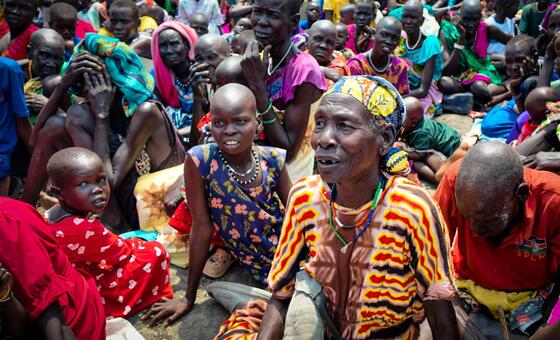
South Sudan's December elections are at risk. The UN warns that conditions for a free, peaceful, and inclusive vote are still not in place. Here's what that means.
The countdown to South Sudan's general elections, scheduled for December, has turned into the dominant story in the country's political scene. But here's the thing: while everyone is talking about the vote, the ground beneath it isn't quite solid. In fact, according to the head of the UN Mission in South Sudan, Anita Kiki Gbeho, the conditions for a free, peaceful, and inclusive election simply aren't there yet.
That's a big deal, and not just for the politicians in Juba. It affects every family hoping for stability, every young person dreaming of a future beyond conflict, and every farmer who just wants to plant crops without fear. When the UN says the environment isn't ready, it's not a small footnote—it's a warning sign that deserves our full attention.
### What the UN Is Actually Saying
During a UN Security Council meeting on Thursday, Gbeho laid it out plainly. The preparation for the December polls is now the central topic on South Sudan's political agenda, but the essential building blocks—security, civic space, and trust—are still missing. She didn't sugarcoat it, and honestly, that's refreshing. We're so used to diplomatic language that sometimes the real message gets lost. This time, the message was clear: the election could happen, but it might not be the free and fair exercise that the people deserve.
Let's break down what "conditions not being created" really means in practical terms:
- **Security gaps:** In many parts of the country, armed groups still operate with impunity, making it dangerous for voters to even reach polling stations.
- **Civic space:** Journalists, activists, and opposition figures often face restrictions, which means voters can't get the information they need to make informed choices.
- **Logistical hurdles:** South Sudan is massive—about the size of Texas—with poor road networks, especially during the rainy season. Getting ballots and officials to remote areas is a nightmare.
- **Trust deficit:** After years of civil war and political infighting, many citizens simply don't believe the process will be fair.
### Why This Matters Beyond the Border
You might be thinking, "Okay, but I live thousands of miles away. Why should I care?" Fair question. Here's the answer: instability in South Sudan doesn't stay contained. It creates refugee flows, disrupts regional trade, and gives space for extremist groups to operate. The United States has invested billions in humanitarian aid and peacekeeping in the region, so the outcome of this election has direct implications for American taxpayers and foreign policy.
Moreover, the broader principle at stake is universal. Watching a country struggle to hold its first credible election since independence in 2011 is like watching a friend try to run a marathon with a broken leg. You want them to succeed, but you also know that pushing too hard without fixing the injury will only make things worse.
### The Path Forward: Realistic or Hopeful?
There's a temptation to say, "Well, elections are always messy, so let's just go ahead." But that's a dangerous shortcut. The UN's position isn't that elections should be cancelled indefinitely—it's that we need to be honest about the gaps and work to close them. That means more funding for the electoral commission, better security arrangements, and a genuine commitment from all parties to accept the results, whatever they may be.
Gbeho's statement is a call to action, not a death sentence for the process. It's a reminder that democracy isn't just about casting a ballot; it's about creating an environment where that ballot can actually reflect the will of the people. For now, that environment remains a work in progress—and the clock is ticking.
So, what happens next? Eyes will stay on the Security Council and on the South Sudanese leadership. Will they use the coming months to build trust, or will they let the deadline pass and risk a crisis? Only time will tell, but one thing is certain: the world is watching, and the people of South Sudan deserve better than a rushed, broken process.