South Sudan's December Elections Face a Hard Truth
Sarah Johnson ·
Listen to this article~4 min
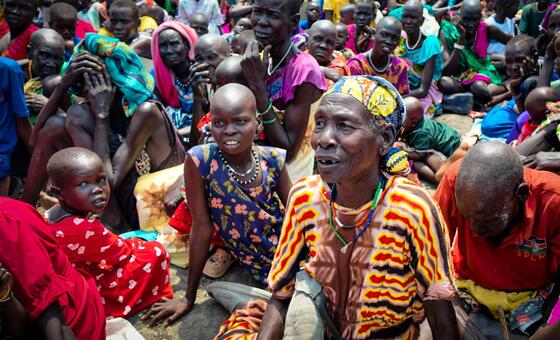
The UN says South Sudan isn't ready for its December elections. Here's why that matters and what could happen next.
South Sudan is gearing up for its first general elections in December, a moment that could define the young nation's future. But here's the catch: the United Nations says the country isn't ready for a free, peaceful, and inclusive vote. That's not just a bureaucratic opinion—it's a warning shot from the UN Security Council.
On Thursday, Anita Kiki Gbeho, the head of the UN Mission in South Sudan, delivered a sobering update to the Security Council. Her message was clear: while the election campaign is becoming the central focus of the country's political agenda, the groundwork for a credible vote simply hasn't been laid. It's like building a house without a foundation—you might have the walls up, but it won't stand.
### Why This Matters Right Now
South Sudan has been through a lot since gaining independence in 2011. A brutal civil war, ongoing ethnic tensions, and a fragile peace deal have left the country struggling to find stability. The December elections were supposed to be a milestone—a chance to move from conflict to democracy. But Gbeho's report paints a different picture.
Here's what she highlighted as missing:
- A complete and accurate voter registry that includes all eligible citizens across the country
- A functioning legal framework that guarantees fair campaigning and voting procedures
- Adequate security arrangements to protect voters and polling stations in remote areas
- A civic education campaign to help people understand the voting process and their rights
Without these basics, the election risks being neither free nor fair. And that could reignite tensions that have already cost too many lives.
### The Reality on the Ground
Let's put this in perspective. South Sudan is roughly the size of Texas, but with far fewer paved roads. Many communities live in remote areas where reaching a polling station might mean walking for days. The rainy season, which runs through much of the year, can make travel nearly impossible. Add to that the fact that millions of people are still displaced from their homes, and you start to see the scale of the challenge.
Gbeho didn't mince words. She told the Security Council that the conditions for a free, peaceful, and inclusive election "have not yet been created." That's diplomatic language for "we're not there yet, and time is running out."
### What Could Happen Next
The UN is working with South Sudanese authorities to address these gaps, but progress has been slow. The international community is watching closely, and there's growing pressure to either delay the vote or find a way to make it work. Neither option is easy.
Delaying elections could be seen as a failure of the peace process. But holding a flawed vote could be worse—it might legitimize a process that excludes large parts of the population and deepen divisions.
### A Personal Take
I've covered post-conflict elections in several countries, and this pattern feels familiar. There's always a tension between the desire to meet deadlines and the need to get things right. The truth is, a rushed election in a fragile state rarely ends well. It's better to take the time to build trust and infrastructure, even if that means pushing back the calendar.
The people of South Sudan deserve a chance to choose their leaders in a way that reflects their will. But that only happens if the conditions are right. Right now, they're not. And pretending otherwise would be a disservice to everyone involved.
### Looking Ahead
Over the next few months, all eyes will be on Juba, the capital. The UN mission is pushing for concrete steps, including finalizing the voter roll and improving security. Whether those steps happen in time for December remains an open question.
For now, the message from the Security Council is a reminder that elections aren't just about casting a ballot. They're about creating a process people can trust. And in South Sudan, that trust is still a work in progress.