Why South Sudan's December Elections Are Already in Jeopardy
Michael Jones ·
Listen to this article~5 min
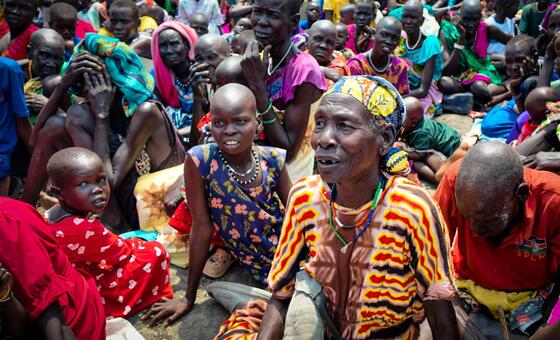
South Sudan's December elections face serious obstacles, according to the UN. Security gaps, legal delays, and millions of displaced citizens threaten the credibility of the vote. Here's what's at stake and what to watch in the coming months.
South Sudan's path to its first post-independence general elections has hit a critical crossroads. The country is gearing up for nationwide voting in December, but according to the United Nations, the groundwork for a free, peaceful, and inclusive process simply isn't there yet. That's a sobering reality check for a nation that has been waiting for democratic stability for over a decade.
This week, the UN Security Council heard a stark assessment from Anita Kiki Gbeho, the head of the UN Mission in South Sudan (UNMISS). Her message was clear: while preparations are ramping up, the conditions on the ground are nowhere near ready to guarantee a credible vote. For professionals tracking African geopolitics or regional stability, this is a signal that the coming months could shape the region's future in profound ways.
### What's Actually Missing on the Ground?
When UN officials talk about "conditions not being met," they're not just using diplomatic language. There are concrete, measurable gaps that need urgent attention before any ballot box is opened. Here's what's at the top of the list:
- **Security guarantees**: Armed groups still control significant portions of territory, and intercommunal violence remains a daily threat in several states.
- **Legal framework**: The permanent constitution that was supposed to be in place before elections hasn't been finalized, leaving a legal vacuum for how voting will actually be administered.
- **Voter registration**: Millions of South Sudanese citizens remain displaced, either internally or as refugees in neighboring countries, making it nearly impossible to ensure they can participate.
- **Civic space**: Journalists, opposition figures, and civil society organizations still face restrictions that would undermine a genuinely open campaign season.
These aren't minor administrative hurdles. They're foundational gaps that, if left unaddressed, could make the December vote a hollow exercise rather than a true expression of the people's will.
### A Pattern That Feels Familiar
If this sounds like a story we've heard before, that's because we have. South Sudan has postponed elections multiple times since independence in 2011, often citing the very same reasons. The Revitalized Peace Agreement signed in 2018 laid out a clear roadmap, but many of its key provisions remain unimplemented. The political will to follow through has been inconsistent at best, and the international community's patience is wearing thin.
What makes this cycle different is the sheer scale of the challenge. The UN estimates that over 2 million South Sudanese are living as refugees, with another 2 million internally displaced. When a third of your population can't reliably access a polling station, the concept of a "free and fair" election starts to feel like a distant aspiration rather than a realistic goal.
### Why This Matters Beyond South Sudan's Borders
For those of us watching from the United States or elsewhere, it's easy to dismiss this as another African nation's internal struggle. But the stakes extend far beyond Juba's political elite. South Sudan sits in a volatile neighborhood, and its instability has ripple effects across East Africa. Refugee flows, cross-border militancy, and economic disruption all trace back to how this election process unfolds.
Moreover, there's a broader principle at stake here. The international community has poured billions of dollars into peacekeeping and development aid in South Sudan. If the December elections fail to meet basic credibility standards, it will raise serious questions about the effectiveness of that investment and about the UN's ability to shepherd fragile states toward democratic transitions.
### The Road Ahead: What to Watch For
Over the next few months, professionals and policymakers should keep an eye on a few key indicators:
- Whether the government makes any meaningful progress on the permanent constitution before the rainy season complicates logistics.
- Whether opposition parties are given genuine space to campaign without fear of reprisal.
- Whether the UN and regional bodies like the African Union can push for concrete benchmarks rather than just rhetorical commitments.
There's still time to course-correct, but that window is closing fast. The December elections represent a last, best chance for South Sudan to break its cycle of crisis. If the conditions don't improve, the country risks sliding back into the kind of chaos that defined its early years. For now, the international community's role is clear: hold leaders accountable, push for real progress, and don't let another deadline slip by without consequences.