Why South Sudan's December Elections Are Already in Trouble
Александр Петров ·
Listen to this article~5 min
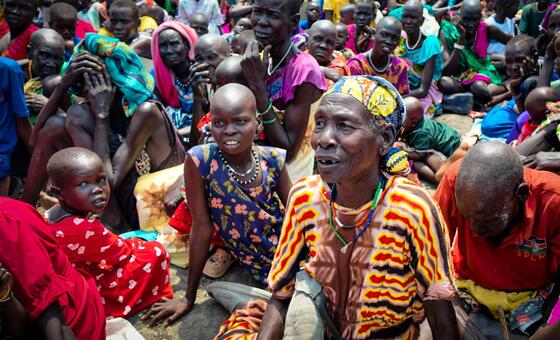
South Sudan's December elections are the top political issue, but UN officials say conditions for a free and peaceful vote don't exist yet. Here's what's missing and why it matters.
South Sudan has a date with democracy, but the road there is looking rocky. The country is gearing up for general elections in December, and it's the biggest topic on the political agenda right now. But according to the head of the UN Mission in South Sudan, Anita Kiki Gbeho, the conditions for a free, peaceful, and inclusive vote simply aren't there yet.
That's a pretty big deal, and it raises some serious questions about what comes next. Let's break down what's happening, why it matters, and what the international community is watching closely.
### The Core Problem: Not Ready to Vote
Gbeho made her remarks at a UN Security Council meeting on Thursday, and her message was clear: preparations for the December elections are dominating the political conversation, but the groundwork hasn't been laid for a vote that everyone can trust. She didn't sugarcoat it. The essentials—security, political freedom, and an inclusive process—are still missing.
Think of it like trying to host a massive dinner party. You've sent out the invitations and picked the date, but the kitchen isn't stocked, the tables aren't set, and half your guests are arguing about who gets to sit where. You wouldn't call that a successful event waiting to happen. You'd call it a recipe for disaster.
### What's Missing on the Ground?
So, what exactly does "conditions not created" mean in practical terms? It's not just about having ballot boxes and papers. It's about the whole environment surrounding the election. Here's a quick look at the key issues:
- **Security concerns:** In many parts of the country, violence is still a daily reality. People can't vote if they're afraid to leave their homes.
- **Political space:** For an election to be free, opposition parties and independent voices need to be able to campaign without fear of reprisal. That's not happening everywhere.
- **Inclusivity:** A significant chunk of the population is often left out of the conversation, including women, youth, and displaced communities. An election that doesn't include everyone isn't truly democratic.
- **Logistical hurdles:** South Sudan is a massive country with poor infrastructure. Getting voting materials to remote areas is a logistical nightmare that hasn't been fully solved.
These aren't small details. They're the foundation of any legitimate election, and without them, the whole process risks being seen as a rubber stamp rather than a genuine choice.
### The Stakes for the Region
This isn't just a domestic issue for South Sudan. The country's stability has ripple effects across the entire region. If the elections go badly—or if the results are widely contested—it could spark another wave of violence and displacement. That would put even more pressure on neighboring countries already dealing with their own challenges.
The international community is paying close attention. The UN Security Council hearing is a sign that global powers are worried about the trajectory. They're not just asking questions; they're trying to figure out how to help without making things worse.
### What Happens Next?
There's still time to change course, but it's running out. The December date is fixed, and postponing it would be a huge political decision with its own set of consequences. For now, the focus is on trying to create the conditions that Gbeho says are missing.
That means pushing for ceasefires, opening up political space, and getting the logistical machinery moving. It's a tall order, but it's the only way to give the South Sudanese people a real shot at choosing their own future.
### The Bottom Line
South Sudan is at a crossroads. The December elections could be a turning point, but only if the necessary conditions are met. Right now, they're not. The next few months will be critical in determining whether the country takes a step toward stability or falls back into chaos.
For anyone watching from the outside, this is a situation worth keeping an eye on. The stakes are high, the challenges are immense, and the outcome is far from certain. But one thing is clear: the world is watching, and the pressure is on.