South Sudan's December Elections: Why the UN Says Conditions Aren't Ready
Carlos Rodríguez ·
Listen to this article~5 min
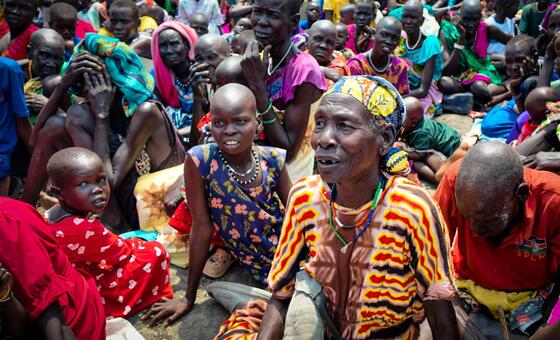
The UN says South Sudan isn't ready for December elections. Here's what's missing and why it matters for the country's future.
South Sudan is heading toward a pivotal moment. Elections are scheduled for December, and they're dominating the political conversation across the country. But here's the thing: according to the United Nations, the groundwork just isn't there yet for a vote that people can trust.
On Thursday, Anita Kiki Gbeho, the head of the UN Mission in South Sudan (UNMISS), addressed the UN Security Council with a sobering reality check. Her message? The conditions for free, peaceful, and inclusive elections have not been created. That's not a small statement. It carries weight for millions of South Sudanese citizens who have been waiting years for their voices to be heard through the ballot box.
### What Did the UN Official Actually Say?
Gbeho didn't sugarcoat the situation. She laid out a clear assessment: while preparations for the December elections are moving forward as a priority on the political agenda, the environment needed to hold a credible vote is still missing. That means things like security, political freedom, and the ability for all people to participate without fear are not yet in place.
This isn't about whether elections should happen. It's about whether they can happen in a way that doesn't spark more conflict or deepen divisions. When a country has been through what South Sudan has, the stakes of getting this wrong are enormous.
### Why Conditions Matter So Much
Think about it this way: an election is more than just a day of voting. It's the result of months, sometimes years, of preparation. You need a stable security situation so people can actually reach polling stations. You need a free press so voters can make informed choices. You need political parties that can campaign without being silenced or attacked. And you need a system where people trust that their vote will be counted fairly.
Right now, South Sudan is struggling on several of those fronts. The UN's assessment suggests that the basic building blocks for a legitimate election are still being assembled. That's a significant concern, especially for a nation that has experienced civil war and displacement.
### The Road Ahead: What Needs to Happen
So what would it take to change this picture? The UN and other observers have pointed to a few key priorities:
- **Strengthening security** across the country, especially in areas where violence has been persistent.
- **Ensuring political space** for opposition parties and civil society to operate without intimidation.
- **Finalizing electoral laws and institutions** so that the mechanics of voting are clear and credible.
- **Addressing humanitarian needs**, because it's hard to focus on voting when people are struggling to find food and safety.
None of these are easy fixes. They require political will, resources, and time. And that's the tension South Sudan is facing right now: the calendar says December, but the reality on the ground says more work is needed.
### What This Means for South Sudanese Citizens
For ordinary people, this news is both worrying and familiar. Many have lived through cycles of hope and disappointment. They want to participate in shaping their country's future, but they also want to do so without risking their lives or the fragile peace that exists.
Gbeho's statement to the Security Council is a reminder that international observers are watching closely. The world's attention is on South Sudan, and there's pressure to get this right. But pressure alone doesn't create conditions. It takes concrete actions, compromise, and a genuine commitment to putting the country's future above individual or party interests.
### The Bottom Line
December is coming, but readiness is not guaranteed. The UN's message is clear: without meaningful progress on security, political freedom, and electoral infrastructure, the elections could do more harm than good. It's a difficult truth, but one that needs to be heard.
For now, the international community, led by the UN, will continue to push for the necessary reforms. Whether South Sudan can meet the challenge remains to be seen. But one thing is certain: the eyes of the region and the world are fixed on this young nation, hoping that its people finally get the chance to choose their leaders in a process that is free, fair, and peaceful.