South Sudan's Election Promise Faces a Hard Reality Check
Eleanor Vance ·
Listen to this article~4 min
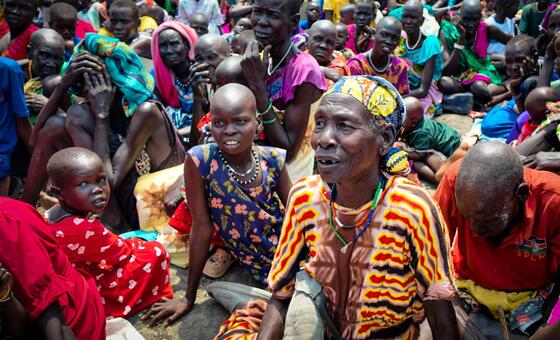
South Sudan faces major hurdles ahead of December elections, as the UN warns conditions for a free and peaceful vote are not yet in place. A critical moment for the world's youngest nation.
South Sudan is gearing up for what should be a historic moment: its first general elections since gaining independence. The December vote is supposed to be the culmination of years of peace-building efforts and political negotiation. But here's the thing—according to the United Nations, the country simply isn't ready for it yet.
In a recent briefing to the UN Security Council, Anita Kiki Gbeho, the head of the UN Mission in South Sudan, delivered a sobering assessment. She made it clear that the conditions for a free, peaceful, and inclusive election have not been met. That's not just a bureaucratic formality; it's a warning that the path to democracy is still blocked by significant hurdles.
### Why the Election Matters So Much
For a nation that has endured decades of conflict, the December election represents more than just a political exercise. It's a symbol of stability and a chance for citizens to finally have a say in how their country is run. After years of civil war and fragile peace agreements, the stakes couldn't be higher. A credible election could cement South Sudan's trajectory toward lasting peace. A flawed one, on the other hand, could unravel the progress that's been made.
The UN's role here isn't just observational. The mission on the ground is actively working to support the electoral process, but there's only so much external help can do. The real work has to happen inside the country, and that's where the challenges pile up.
### The Core Obstacles to a Credible Vote
Gbeho's statement didn't sugarcoat the situation. She pointed to several critical gaps that need to be addressed before voters can go to the polls with confidence:
- **Security concerns**: Large parts of the country remain volatile, with armed groups operating outside government control. Holding elections in such an environment would put voters and election officials at risk.
- **Political consensus**: Key parties haven't fully agreed on the rules of the game. Without a shared commitment to the electoral framework, the results could be contested before the ballots are even counted.
- **Logistical preparedness**: Conducting a nationwide vote in a country with limited infrastructure is a massive undertaking. Voter registration, polling stations, and ballot distribution all need to be in place, and that's far from guaranteed.
- **Civic space**: For an election to be truly inclusive, citizens need to be able to campaign, debate, and express their views without fear. That freedom is still constrained in many areas.
These aren't minor issues. They're fundamental to whether the election will be seen as legitimate, both at home and on the international stage.
### What Happens Next?
The UN Security Council is now weighing its options. There's talk of extending timelines, providing more technical support, or pressing political leaders to make the necessary compromises. But ultimately, the decision rests with South Sudan's leaders and its people. They have a narrow window to create the conditions for a vote that can actually move the country forward.
It's a delicate balancing act. Pushing ahead with an election that isn't ready could lead to more violence and disillusionment. Delaying it could be seen as a setback for democracy. Either way, the international community is watching closely, and the world's youngest nation is at a crossroads.
For now, the message from the UN is clear: hope is not a strategy. If South Sudan is serious about holding elections in December, the hard work needs to start immediately. The clock is ticking, and the future of the nation hangs in the balance.