South Sudan Elections Hang in the Balance as UN Warns of Missing Conditions
Sarah Williams ·
Listen to this article~4 min
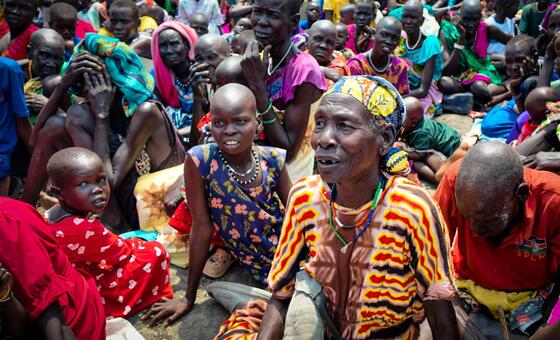
The UN warns South Sudan isn't ready for December's elections, citing security gaps and political tensions. Here's what's at stake and what needs to change.
As December approaches, all eyes are on South Sudan. The country is gearing up for its first general elections since gaining independence, and it's shaping up to be the biggest political story of the year. But here's the catch: according to the United Nations, the groundwork just isn't there yet for a vote that everyone can trust.
Anita Kiki Gbeho, the head of the UN Mission in South Sudan, delivered that sobering message at a Security Council meeting on Thursday. Her words weren't just diplomatic caution—they were a stark reality check for a nation that's been through so much and desperately wants to see this moment work.
### What the UN Is Actually Saying
Gbeho didn't mince words. She made it clear that the conditions for a free, peaceful, and inclusive election haven't been met. That's not a small detail. It's the difference between a vote that unites a country and one that tears it apart.
The concerns aren't abstract. They're about real, tangible issues on the ground:
- Security remains fragile in many regions, with reports of localized violence and displacement continuing
- The political environment is tense, with opposition groups and civil society facing restrictions
- Logistical preparations are behind schedule, from voter registration to polling station setup
- Legal frameworks and civic education efforts still need significant work
These aren't just technical hurdles. They're the building blocks of a credible election, and right now, they're wobbling.
### Why This Election Matters So Much
South Sudan's journey to this point has been anything but smooth. The country broke away from Sudan in 2011 after a long and brutal struggle, and the hope that accompanied independence was immense. But since then, civil war and political infighting have taken a heavy toll.
For many South Sudanese, this election is more than a political event. It's a chance to finally have a say in how their country is run. It's an opportunity to move past the violence and instability that have defined so much of the recent past. That's why the stakes feel so personal.
Gbeho's assessment reflects a broader concern among international observers. If the election proceeds without proper conditions, it could deepen divisions rather than heal them. If it's delayed, there's a risk of frustration boiling over. Either way, it's a delicate balancing act.
### The Road Ahead
So what happens next? The UN and other international partners are pushing for a more inclusive process. That means bringing more voices to the table, ensuring that all communities feel represented, and addressing the security gaps that could undermine the vote.
There's also a push for better preparation. That includes everything from updating voter rolls to training election officials and ensuring that polling stations are accessible to everyone, including women and displaced populations.
The clock is ticking, though. With elections slated for December, there's limited time to close the gaps that Gbeho highlighted. It's not impossible, but it's going to require serious commitment from all sides.
### A Moment of Truth
South Sudan is at a crossroads. The coming months will determine whether this election becomes a milestone in the country's democratic journey or another chapter in its troubled history. The international community is watching closely, and so are the millions of South Sudanese who have waited years for their voices to be heard.
For now, the message from the UN is clear: hope alone isn't enough. Real, measurable progress is needed. And that's a challenge that falls on the government, the opposition, and every stakeholder who claims to want a better future for this young nation.
The world is rooting for South Sudan. But as Gbeho's warning makes clear, goodwill won't be enough to deliver the free and fair election that everyone wants to see.