South Sudan: 650,000 Refugees Could Lose Food Aid as Funds Run Dry
Jennifer Taylor ·
Listen to this article~4 min
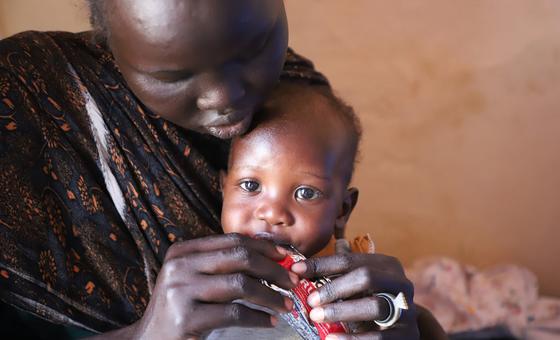
More than 650,000 refugees in South Sudan face losing food aid due to severe funding shortages, according to UNHCR and WFP. Here's what's at stake.
The numbers are staggering. More than 650,000 refugees and asylum seekers in South Sudan are facing the very real possibility of losing access to life-saving food assistance. That's not a rounding error or a worst-case scenario—it's the stark reality right now, according to a joint warning issued on Friday by the UN Refugee Agency (UNHCR) and the World Food Programme (WFP).
When you step back and think about what that actually means, it's not just about empty plates. It's about families who have already fled unimaginable violence, only to find themselves in a new kind of fight for survival. And now, the very system designed to catch them is starting to buckle under the weight of financial strain.
### The Funding Gap That Could Change Everything
The core issue here is painfully simple: there isn't enough money. Both UNHCR and WFP operate on budgets that are stretched thinner than ever before. With global crises pulling donor attention in a dozen different directions, South Sudan—a country that has struggled for stability since its independence in 2011—keeps falling further down the priority list.
What makes this particularly troubling is the timing. South Sudan is already dealing with severe flooding in some regions and drought-like conditions in others. The climate is unpredictable, and the soil is unforgiving. For refugees who have lost everything, food aid isn't a luxury; it's the thin line between survival and catastrophe.
### Who Is Actually Affected?
Let's break down who we're really talking about when we say "650,000 people." These aren't just statistics on a spreadsheet. They're:
- Mothers who fled conflict with nothing but their children and the clothes on their backs
- Elderly men who can't work the land anymore but still have families to feed
- Young kids who have never known a day of peace in their home country
- Pregnant women who need proper nutrition to carry their babies to term
Each one of those 650,000 individuals has a story. And right now, that story could take a devastating turn if the funding doesn't materialize.
### What the Agencies Are Saying
The warnings from UNHCR and WFP aren't vague threats. They're specific, measured statements about what happens next. If the funding shortfall continues, rations will be cut. When rations get cut, the most vulnerable people—the ones who depend entirely on this assistance—will be the first to feel it.
There's also the ripple effect to consider. When refugees go hungry, tensions rise in host communities. Resources become scarcer. What starts as a humanitarian issue quickly becomes a security issue, and that affects everyone in the region.
### Why This Matters Beyond South Sudan
You might be reading this from thousands of miles away, wondering why this should matter to you. Here's the thing: instability doesn't stay in one place. It spreads. When people can't feed their families, they move. They cross borders. They look for any place that might offer a glimmer of hope.
The international community made promises to these people. The question now is whether those promises will be kept. It's easy to make commitments when cameras are rolling and the world is watching. It's much harder to follow through when the spotlight moves elsewhere.
### What Could Happen Next
Nobody is saying the situation is hopeless. There's still time to close the funding gap. But that window is closing, and it's closing fast. Agencies are calling on donor countries to step up, and they're making it clear that every dollar counts.
For the refugees themselves, the uncertainty is the hardest part. Not knowing whether your next meal is coming isn't just a physical hardship—it's a psychological one. It wears you down. It chips away at your hope.
As we watch this unfold, it's worth remembering that these aren't just numbers on a news ticker. They're human beings with hopes, dreams, and the same basic needs we all share. The question isn't whether they deserve help. The question is whether we're willing to provide it before it's too late.