Sudan's Escalating Conflict: 200,000 More Displaced in Months
Amanda Moore ·
Listen to this article~5 min
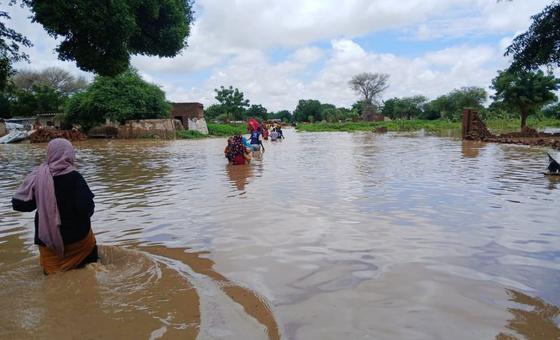
Escalating conflict and severe flooding in Sudan have forced at least 200,000 more people from their homes since late 2025, deepening an already catastrophic humanitarian crisis.
The humanitarian situation in Sudan has taken another devastating turn. According to a recent statement from the UN's International Organization for Migration (IOM), the sharp escalation of fighting since late 2025 has forced at least 200,000 more people to flee their homes. That's a staggering number, and it's only part of a much larger, more painful story.
These aren't just statistics. These are families who've had to make impossible choices: leave everything behind or stay and risk everything. And as if the conflict weren't enough, the region is now grappling with severe seasonal flooding that's making an already catastrophic situation even worse.
### What's Really Happening on the Ground?
The new wave of displacement is adding to an already overwhelming crisis. Sudan has been dealing with internal conflict for years, but the recent surge in violence has pushed the situation past a breaking point. The IOM reports that the fighting, which reignited with intensity in late 2025, has triggered a fresh exodus of people searching for safety.
Here's what we know so far:
- At least 200,000 people have been newly displaced in just a few months
- The majority are moving to areas that are already stretched thin on resources
- Many are heading toward borders, hoping to find refuge in neighboring countries
- The ongoing violence is making it nearly impossible for aid workers to reach those in need
This isn't a slow-burning crisis anymore. It's a full-blown emergency that's accelerating faster than the international community can respond.
### The Floods That Make Everything Worse
Just when you think the situation couldn't get more dire, nature adds its own cruel twist. The seasonal floods that typically hit this time of year have been especially destructive. Entire villages have been submerged, roads are impassable, and the little shelter that people had managed to piece together is now gone.
Think about that for a second. You've escaped gunfire, traveled miles on foot, and finally found a temporary camp. Then the rains come, and you're standing in waist-deep water with nowhere to go. That's the reality for tens of thousands of people right now.
The combination of conflict and flooding creates a nightmare scenario for humanitarian organizations. They can't get trucks through flooded roads, and the areas that are accessible are often too dangerous to enter because of the fighting.
### Why This Matters Beyond Sudan
You might be wondering why this should matter to you, especially if you're thousands of miles away. Here's the thing: humanitarian crises on this scale don't stay contained. They create ripple effects that touch global markets, international security, and migration patterns across entire regions.
When 200,000 people are forced to move in such a short period, neighboring countries like Chad, Egypt, and South Sudan feel the immediate pressure. They're suddenly hosting massive refugee populations with limited resources. That strain can lead to political instability, economic challenges, and even new conflicts.
The international community has a choice to make. We can either step up and provide meaningful support now, or we can wait until the crisis spirals even further out of control. History has shown us time and again that the second option costs far more in the long run.
### What Can Be Done?
There's no easy answer here, but there are clear priorities. First, the fighting needs to stop. That's the only way people can safely return to their homes and begin rebuilding. Second, humanitarian access needs to be guaranteed so that aid organizations can deliver food, clean water, and medical supplies to those who desperately need them.
Third, the international community needs to fund the response adequately. The IOM and other agencies are working around the clock, but they're operating with a fraction of what they actually need. Every day of delay means more suffering for people who've already lost so much.
This isn't just another news story to scroll past. It's a wake-up call about the fragility of human life and the importance of global solidarity. The people of Sudan need our attention, our empathy, and most importantly, our action.
As the situation continues to evolve, one thing remains clear: the world can't afford to look away. The cost of inaction is simply too high.