Sudan's Escalating Conflict: Why 200,000 More People Have Fled
Amanda Wilson ·
Listen to this article~5 min
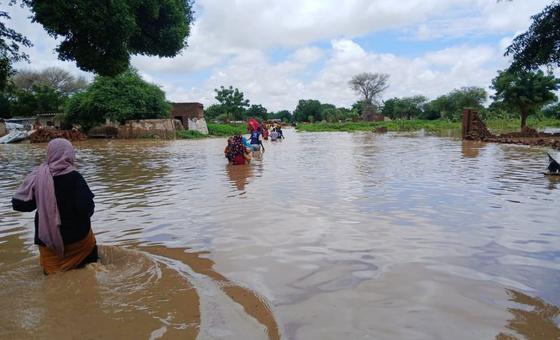
Escalating conflict in Sudan has forced over 200,000 people from their homes since late 2025, with seasonal floods worsening an already dire humanitarian crisis.
The humanitarian crisis in Sudan is reaching a breaking point, and the numbers are staggering. According to the United Nations' International Organization for Migration (IOM), escalating fighting since late 2025 has forced at least another 200,000 people to leave their homes. That's not just a statistic—that's a city the size of Dayton, Ohio, uprooted in a matter of months.
But here's the thing that makes this even harder to wrap your head around: these aren't just numbers on a spreadsheet. These are families who packed whatever they could carry, kids who haven't been to school in weeks, and elderly people who've left behind everything they've built over a lifetime. And to make matters worse, devastating seasonal floods are piling on top of an already catastrophic situation.
## The Perfect Storm: Conflict Meets Flooding
When you think about displacement, it's easy to picture a single cause—like a war or a natural disaster. But Sudan is facing both at the same time, and they're feeding off each other. The fighting forces people into unsafe, low-lying areas where they're vulnerable to the floods. And the floods destroy the few roads and bridges that might have allowed aid to reach them.
It's a vicious cycle, and it's hitting the most vulnerable people hardest. The IOM says that many of those displaced are now living in makeshift shelters with no access to clean water, sanitation, or healthcare. That's a recipe for disease outbreaks, malnutrition, and even more suffering down the line.
### What's Driving the Displacement?
Since late 2025, the intensity of the conflict has ramped up significantly. We're not just talking about isolated skirmishes anymore. This is widespread, coordinated fighting that's tearing through entire regions. Some of the key drivers include:
- **Clashes between rival military factions** vying for control of strategic areas
- **Targeted attacks on civilian infrastructure**, including hospitals and markets
- **A breakdown in local governance**, leaving communities without basic services
- **Food and water shortages**, which are pushing people to move just to survive
When you combine those factors, it's no wonder people are choosing to leave. Staying put means risking your life every single day. Leaving means risking your life on the road. It's an impossible choice, and thousands are making it every week.
## The Human Toll: More Than Just Numbers
Let me put this into perspective for a moment. If you've ever been through a major storm or a house fire, you know that feeling of losing your home. Now imagine that feeling, but multiplied by 200,000. That's 200,000 people who've lost not just their houses, but their communities, their jobs, and in many cases, their sense of security.
What's especially heartbreaking is that many of these people have been displaced multiple times. They fled once, returned when things seemed calmer, and now they're fleeing again. Each time, they have less. Each time, the trauma deepens.
The floods are making it even worse. Seasonal rains have turned displacement camps into mud pits. Tents are washing away. Latrines are overflowing. And with the conflict blocking many aid routes, humanitarian workers are struggling to get supplies to the people who need them most.
### What Can Be Done?
I'm not going to pretend there's an easy answer here, because there isn't. But there are a few things that could make a real difference:
- **A coordinated ceasefire** that allows aid organizations to reach displaced populations safely
- **Emergency funding** for flood response and temporary shelter programs
- **Long-term investment** in conflict resolution and peacebuilding efforts
- **International pressure** on all parties to protect civilians and respect humanitarian law
Without these steps, the situation is only going to get worse. And the window for action is closing fast.
## Looking Ahead
The coming months are critical. As the rainy season continues and the conflict shows no signs of slowing down, we're likely to see even more displacement. The IOM and other agencies are doing everything they can, but they need support—both from governments and from the international community.
If you're reading this and wondering what you can do, the best first step is to stay informed. Follow reputable news sources, support humanitarian organizations that are on the ground in Sudan, and speak up about the crisis. It's easy to feel helpless when problems seem this big, but every bit of awareness helps.
For now, the people of Sudan need our attention. They need the world to see what's happening and to care enough to act. Because behind every one of those 200,000 displaced people, there's a story. A story of loss, of resilience, and of hope that someday, they'll be able to go home.