Sudan's Escalating Conflict Displaces 200,000 More as Floods Worsen Crisis
Eleanor Vance ·
Listen to this article~4 min
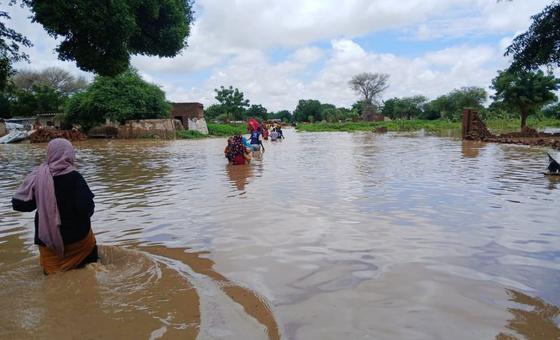
Sudan's escalating conflict has displaced over 200,000 more people since late 2025, with seasonal floods worsening the crisis. The IOM warns of a survival emergency as aid access shrinks.
The humanitarian situation in Sudan has reached another devastating milestone. According to a Wednesday announcement from the United Nations' International Organization for Migration (IOM), the surge in fighting that began in late 2025 has forced at least 200,000 additional people to flee their homes. And here's the gut punch: this isn't happening in a vacuum. Seasonal floods are now piling on top of the violence, turning an already catastrophic situation into something even harder to fathom.
When you step back, the numbers start to blur, but each one represents a family, a kid, a grandparent who had to make an impossible choice. They left behind everything—their homes, their fields, their entire lives—just to survive another day. And for many, the road ahead is just as dangerous as the place they fled.
### Why This Wave of Displacement Is Different
This isn't the first time Sudan has seen mass displacement, but the scale and speed of this new wave are staggering. Since the conflict reignited in late 2025, the fighting has spread across multiple regions, making it harder for people to find safe havens. The IOM's latest figures show that over 200,000 people have been uprooted in just a few months, adding to the millions already displaced over the past two years.
What makes this particularly brutal is the lack of safe corridors. Families are often moving on foot, with little more than what they can carry. They're walking for miles under a scorching sun, not knowing if the next town will welcome them or turn them away.
### The Floods: Nature Piling On
Here's where things get even more complicated. Sudan is in the middle of its rainy season, and the floods have been anything but gentle. Entire villages have been submerged, roads have become impassable, and aid trucks are struggling to reach the people who need them most. The combination of conflict and flooding creates a nightmare scenario for humanitarian workers.
- Floodwaters have destroyed makeshift shelters, forcing families to move yet again.
- Standing water is breeding grounds for disease, with cholera and malaria cases on the rise.
- Crop fields are underwater, which means food shortages are almost guaranteed in the coming months.
The IOM is calling for urgent international support, but funding is running thin. Every day of delay means more lives at risk, and the clock is ticking.
### What the International Community Can Do
It's easy to feel helpless when you see headlines like this, but there are concrete steps that can make a difference. Humanitarian organizations need immediate access to conflict zones, and that requires diplomatic pressure on all parties involved. They also need cash—not promises, but actual funding that can be deployed quickly.
> "We're not just dealing with a displacement crisis; we're dealing with a survival crisis," a senior IOM official said. "The window to act is closing fast."
Beyond the immediate response, there's a longer-term question that nobody wants to answer: how do you rebuild a country when the fighting won't stop? The answer isn't simple, but it starts with protecting civilians and ensuring that aid reaches those who need it, no matter which side of the conflict they're on.
### A Crisis That Demands Attention
If you're reading this from the comfort of your home, it's easy to feel disconnected from the suffering in Sudan. But this crisis isn't just their problem; it's a global one. Displacement on this scale creates ripple effects that spread across borders, from refugee flows to regional instability. The least we can do is pay attention and push our leaders to act.
For now, the people of Sudan are doing what they've always done: surviving. But survival isn't enough. They need hope, and hope comes in the form of action—from the international community, from aid agencies, and from ordinary people who refuse to look away.