Sudan's Escalating Conflict Is Forcing Hundreds of Thousands to Flee
Julia Hoffmann ·
Listen to this article~5 min
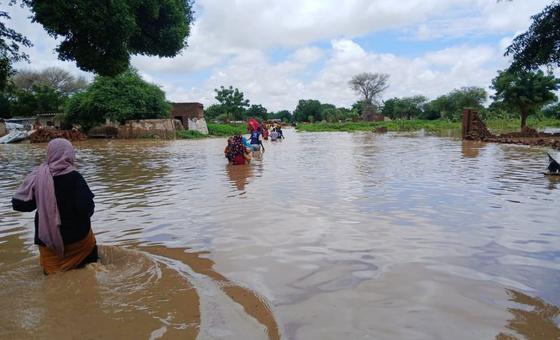
Escalating conflict in Sudan has displaced over 200,000 people since late 2025, with seasonal floods worsening the crisis. Here's what's happening and why it matters.
The humanitarian situation in Sudan has reached a critical breaking point. Since late 2025, escalating fighting has forced more than 200,000 people to leave their homes, according to a Wednesday announcement from the UN's International Organization for Migration (IOM). That's a staggering number, and it's growing every single day.
Think about what that actually means. We're not talking about a statistic or a figure on a spreadsheet. We're talking about real families — parents, kids, grandparents — who woke up one morning and had to decide what to pack into a single bag before running for their lives. The roads are dangerous, the weather is brutal, and there's no clear end in sight.
### A Crisis Piling Onto a Crisis
Here's the thing that makes this situation even more heartbreaking: the conflict isn't the only enemy these families are facing. Seasonal flooding has hit the region hard, and the combination of war and water is creating a humanitarian catastrophe that's nearly impossible to navigate.
- Homes that survived the fighting are now being destroyed by rising waters
- Roads that could have been escape routes are becoming impassable
- Clean drinking water is becoming scarcer by the day
- Shelters that were already overcrowded are now flooding
When you're already displaced, a flood isn't just an inconvenience. It's the difference between having a tarp over your head and sleeping in the open with nothing. It's the difference between finding a safe place for your kids and watching them shiver through another night.
The numbers tell a grim story, but they don't capture the full picture. Behind every one of those 200,000 people is a unique story of loss — a business abandoned, a school left behind, a neighbor who didn't make it out.
### What's Driving the Displacement?
The fighting that's driving this exodus isn't new. Sudan has been caught in a cycle of instability for years, but the recent escalation has pushed things to a level we haven't seen in a long time. Civilians are caught in the crossfire, and there's no safe corner of the country to hide.
The IOM's report paints a sobering picture: people aren't just moving from one town to the next. They're making impossible choices about whether to stay and risk everything or leave and lose everything. And for many, staying simply isn't an option anymore.
### The Human Cost We Can't Ignore
I've spent my career studying how people cope under extreme stress, and I'll tell you this — displacement on this scale leaves scars that go far beyond the physical. When you lose your home, your community, and your sense of safety all at once, it changes who you are. It changes how you trust, how you plan for the future, and how you see the world.
For the children caught up in this crisis, the impact is even deeper. They're missing school, missing friends, and missing the stability that every kid deserves. The memories they're forming right now aren't of playgrounds and birthday parties. They're of sirens, floodwaters, and long walks down dusty roads with no destination in sight.
### Why This Matters Beyond Sudan's Borders
You might be wondering why this should matter to you, thousands of miles away. Here's the honest answer: crises like this don't stay contained. When 200,000 people are forced from their homes, they go somewhere. They cross borders. They put pressure on neighboring countries that are already struggling. And the ripple effects — economic, political, and humanitarian — eventually touch all of us.
But more than that, this matters because these are human beings. They're someone's mother, someone's brother, someone's best friend. And they need the world to pay attention, to care, and to act.
The international community has a responsibility to step up. That means funding relief efforts, pushing for ceasefires, and creating safe corridors for civilians to escape. It means not looking away when the news cycle moves on to something else.
For now, the situation remains dire. The IOM is working on the ground, but they need support. Every day that passes without a resolution is another day that families spend wondering if they'll ever see their homes again. And right now, that's a question nobody can answer.