Sudan's Escalating Crisis: Over 200,000 Displaced in Months
Sarah Jenkins ·
Listen to this article~6 min
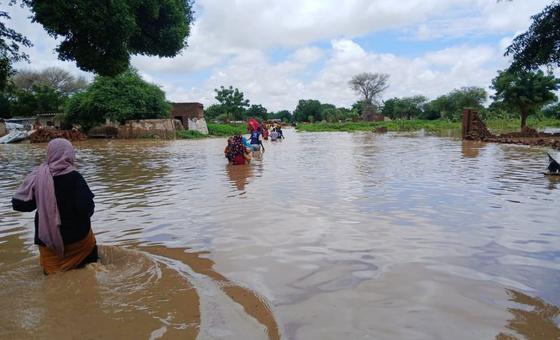
Sudan's escalating conflict and seasonal floods have driven over 200,000 people from their homes since late 2025, creating a severe humanitarian emergency that demands urgent global attention.
The humanitarian situation in Sudan has reached a critical breaking point, and the numbers coming out of the region are staggering. According to a recent report from the United Nations' International Organization for Migration (IOM), the intensifying conflict that has gripped the nation since late 2025 has forced at least 200,000 more people to abandon their homes. That's not just a statistic; that's a city the size of a mid-sized American town like Dayton, Ohio, being uprooted in a matter of months.
When you pair that relentless violence with the devastating impact of seasonal flooding, you get a perfect storm of suffering. The ground is soaked, shelters are destroyed, and families who have already lost everything are now wading through waist-deep water just to find a dry patch of earth. It's a layered catastrophe that demands our attention, not just as a headline, but as a call to understand what's really happening on the ground.
### The Escalation Nobody Saw Coming
The conflict in Sudan isn't new, but its recent trajectory is deeply alarming. What started as localized skirmishes has morphed into a full-blown military escalation that shows no signs of slowing down. The IOM's latest data points to a dramatic spike in displacement, with the bulk of the movement occurring in the central and western regions of the country.
Here's what the numbers actually tell us:
- **200,000+ newly displaced** individuals since the end of 2025, adding to an already massive pool of millions of internal refugees.
- **Primary drivers** include artillery shelling, ground offensives, and the deliberate targeting of civilian infrastructure.
- **Secondary shock** comes from the floods, which have washed away makeshift camps and cut off vital supply routes.
It's a vicious cycle. People flee violence, settle in temporary camps, and then the rains come and wash those camps away. They're not just running from bullets; they're running from the elements, and there's nowhere left to go.
### Why the Floods Make Everything Worse
You might think, "Well, at least the rainy season brings some relief from the heat." But in Sudan, the rainy season is a weapon of its own. The Nile River and its tributaries overflow their banks, turning dry riverbeds into raging torrents. For displaced families living in flimsy tents or abandoned buildings, a single night of heavy rain can mean losing the few possessions they managed to carry with them.
The floods also complicate the logistics of delivering aid. Humanitarian convoys can't reach remote areas because roads are submerged. Medical supplies rot in warehouses. Clean drinking water becomes a luxury. In a region already starved for resources, the flooding closes the door on any hope of a quick fix.
### The Human Cost Behind the Headlines
It's easy to get lost in the big numbers, but let's bring it down to a human level. Imagine packing up your life in 20 minutes because you hear gunfire getting closer. You grab your kids, maybe a bag of clothes, and you start walking. You don't know where you're going. You just know you can't stay.
That's the reality for hundreds of thousands of Sudanese families right now. They're not refugees in the traditional sense—they're internally displaced people (IDPs), which means they're still inside the country's borders but have lost everything they had. They're relying on the kindness of strangers, overwhelmed host communities, and an aid system that is stretched dangerously thin.
One aid worker on the ground described it as "a slow-motion disaster that's happening in fast-forward." The international community has pledged support, but pledges don't fill empty stomachs. Funding gaps remain a constant challenge, and every day of delay means more lives are put at risk.
### What Needs to Happen Next
If there's any hope of turning this around, it requires a two-pronged approach. First, there needs to be a serious push for a ceasefire. You can't deliver aid effectively while bombs are falling. Second, the international community must step up with immediate, flexible funding that can be deployed without bureaucratic delays.
The IOM and other agencies are doing heroic work, but they can't do it alone. They need resources to provide shelter, clean water, and medical care to the displaced. They also need safe corridors to reach the most vulnerable populations.
This isn't just a problem for Sudan. Displacement on this scale has ripple effects across the entire region, straining neighboring countries and creating long-term instability. It's in everyone's interest to see this crisis addressed with urgency and compassion.
### A Moment to Pay Attention
The story of Sudan's displaced millions is a stark reminder of how fragile human security can be. It's easy to scroll past these headlines, but behind each number is a person with a name, a family, and a story. The least we can do is pay attention and push for action.
If you're reading this and wondering what you can do, start by staying informed. Share this information. Support reputable humanitarian organizations that are on the ground. And most importantly, don't let this crisis fade into the background noise of the news cycle. The people of Sudan deserve better, and they need the world to look their way.