Sudan's Hidden Crisis: 200,000 More Displaced in Just Months
William Brown ·
Listen to this article~4 min
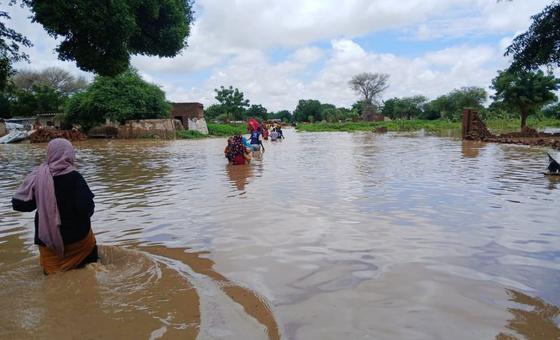
Escalating violence in Sudan has displaced at least 200,000 more people since late 2025, while devastating floods worsen an already critical humanitarian crisis. Here's what's happening on the ground.
The numbers coming out of Sudan right now are staggering, and they're getting worse by the day. According to the UN's International Organization for Migration (IOM), the escalation of fighting since late 2025 has forced at least 200,000 more people to flee their homes. That's not a statistic you can just skim past — that's 200,000 individual lives uprooted, families torn apart, and futures thrown into uncertainty.
But here's the thing that makes this situation even more heartbreaking: the violence isn't the only enemy these people are facing. Seasonal floods have swept through the region, turning an already dire humanitarian crisis into something closer to a nightmare. When you're running for your life and the ground beneath you is literally disappearing under water, where do you even go?
### What's Actually Happening on the Ground
Let's break this down a bit because headlines can feel abstract. The fighting that reignited in Sudan toward the end of 2025 isn't just a minor skirmish — it's a full-blown conflict that's spreading across multiple regions. The IOM's latest report paints a grim picture: families are packing whatever they can carry and walking for days, sometimes weeks, just to find a semblance of safety.
- Over 200,000 people have been newly displaced in recent months
- Seasonal flooding is destroying makeshift camps and shelters
- Access to clean water, food, and medical care is critically low
- Neighboring countries are struggling to keep borders open and manage the influx
And here's the kicker — this isn't even the whole story. The IOM notes that these figures only account for people they've been able to track. The real number could be significantly higher. When you can't count everyone, you have to wonder what else we're missing.
### The Flood Factor Nobody's Talking About
You'd think war would be the only disaster people need to survive, but nature isn't exactly cooperating either. The seasonal floods have been particularly destructive this year, wiping out temporary shelters and contaminating water sources. Imagine fleeing gunfire only to have your tent swept away by rising waters. It's a double blow that no one should have to endure.
Humanitarian organizations are stretched thin, trying to reach people in areas that are both dangerous and physically inaccessible. Roads are either damaged by the fighting or submerged under floodwaters. Helicopters can't land in places where the ground is more swamp than solid earth. It's a logistical nightmare with lives hanging in the balance.
### Why This Matters Beyond Sudan's Borders
This isn't just a regional problem. When 200,000 people are displaced in a matter of months, the ripple effects are felt across the entire African continent and beyond. Refugee camps in Chad, Egypt, and South Sudan are already overcrowded. Host communities are feeling the strain on their resources. And the international community? Well, they're being asked to step up in a big way, but funding is falling short.
"We're seeing a humanitarian catastrophe unfold in real time," one aid worker told reporters, echoing the concerns of many on the ground. "Every day we wait, more lives are at risk."
### What Can Be Done
The situation is complex, and there's no easy fix. But what's clear is that the world can't afford to look away. Increased humanitarian funding, safe corridors for aid delivery, and a renewed push for a ceasefire are all critical first steps. The people of Sudan deserve more than just headlines — they deserve action.
If you're wondering how to help, organizations like the UNHCR and the IOM are actively working on the ground. Every contribution, no matter how small, can make a difference. And more importantly, staying informed and keeping this crisis in the public conversation puts pressure on leaders to respond.
This isn't just a story about numbers. It's about real people, real families, and real lives that are hanging by a thread. And right now, they need the world to pay attention.