Sudan's Cholera Outbreak Claims Over 100 Lives in War-Torn Region
Robert Johnson ·
Listen to this article~3 min
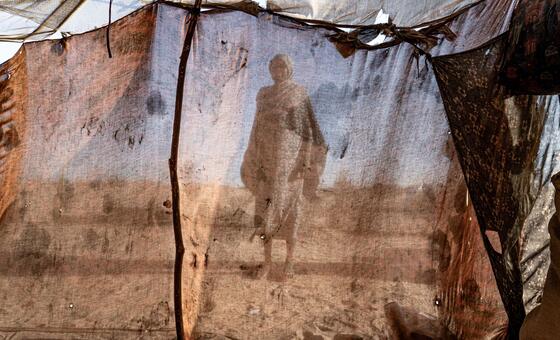
A cholera outbreak in war-torn Sudan has killed over 100 people, with daily drone attacks in El-Obeid blocking aid. Learn how this crisis is unfolding and what can be done.
A devastating new cholera outbreak is sweeping through war-ravaged Sudan, already claiming more than 100 lives. This crisis is hitting vulnerable communities hard, especially in the besieged city of El-Obeid. Daily drone attacks there make it nearly impossible for humanitarian aid to reach those who need it most.
### The Human Toll of a Hidden Crisis
You might think a cholera outbreak is just a medical issue, but here it's a symptom of something much bigger. The war has shattered Sudan's infrastructure, leaving clean water and basic sanitation in short supply. When you combine that with constant violence, you get a perfect storm for disease. Families are trapped, unable to flee because the roads are too dangerous, and too scared to stay because the water they drink could kill them.
What's really heartbreaking is how preventable this is. Cholera is treatable, but only if you can get to a clinic. In El-Obeid, the nearest hospital might be miles away, and getting there means risking your life from a drone strike. That's not a choice anyone should have to make.
### Why This Outbreak Is Different
This isn't the first cholera outbreak in Sudan, but it's happening in a context that makes it uniquely deadly. The war has displaced millions, and many are living in overcrowded camps with no clean water. Here's what makes this situation so dire:
- **Limited access to healthcare**: Most hospitals have been damaged or destroyed.
- **Disrupted supply chains**: Food, medicine, and clean water can't get through.
- **Ongoing violence**: Humanitarian workers can't safely reach affected areas.
- **Weakened immune systems**: Years of conflict have left people malnourished and more susceptible to disease.
### What Needs to Happen Now
The international community needs to step up, but it's not just about sending money. It's about finding creative ways to deliver aid when traditional routes are blocked. Some organizations are using local networks to distribute oral rehydration salts and chlorine tablets. But without a ceasefire, these efforts are just a drop in the bucket.
You can help by staying informed and supporting reputable aid groups that are on the ground. Even small donations can make a difference, like providing clean water for a family for a month. The key is to act fast because every day without help means more lives lost.
### The Bottom Line
This cholera outbreak is a tragic but predictable consequence of war. The people of Sudan, especially those in El-Obeid, are caught between violence and disease. They need our attention and our action. Let's not look away.