Syria's Search for the Missing Gets a Powerful New Ally
Michael Davis ·
Listen to this article~5 min
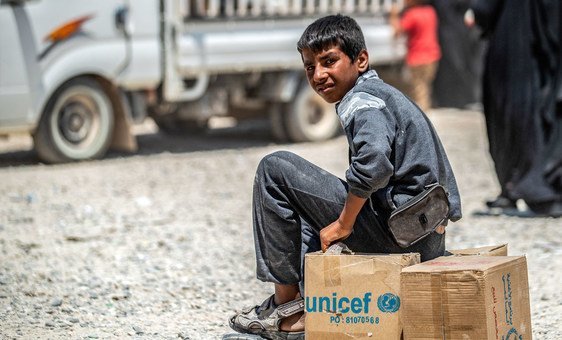
Syria's missing persons crisis gets a boost as UN Secretary-General Antonio Guterres visits. Carla Quintana says the country won't face these challenges alone anymore.
When you think about the challenges facing Syria today, the list can feel overwhelming. War, displacement, and a fractured society are just the tip of the iceberg. But there's one issue that often stays hidden in the shadows: the fate of the missing. Thousands of families have been waiting for years, not knowing if their loved ones are alive or dead. That wait might finally be getting some real attention.
Carla Quintana, the head of the Independent Institution for Missing Persons in Syria, recently made a statement that caught my ear. She said Syria "won't be left alone" when it comes to tackling these old and new challenges. This was right before Antonio Guterres made his first visit to the country as UN Secretary-General. It's a big deal, and here's why it matters for professionals like you who work on these issues.
### Why This Visit Matters
Guterres stepping foot in Syria isn't just a photo op. It's a signal that the international community is ready to engage more deeply. For years, the missing persons crisis has been a political football, kicked around by different sides. But Quintana's words suggest a shift. She's pointing to a future where Syria isn't isolated in its struggle. Instead, it's getting support to find answers and help displaced families rebuild.
Think about the practical side of this. When a high-level UN official gets involved, it opens doors. It can mean more funding for DNA testing, better coordination with local authorities, and pressure on all parties to share information. For Rezka professionals, this is a chance to push for real progress.
### The Human Cost of Uncertainty
Let's be real for a second. The numbers are staggering. Over 100,000 people are estimated missing in Syria since the conflict began. That's not a statistic; that's a hundred thousand stories cut short. Families live in a state of limbo. They can't grieve properly, they can't move on, and they often can't even get basic legal documents like death certificates. This affects everything from inheritance to remarriage.
Quintana's institute is trying to change that. They're working on a system to document cases, identify remains, and provide closure. But it's slow work, especially without strong international backing. Guterres' visit could be the push they need.
### What This Means for Displaced People
Displacement isn't just about leaving home. It's about losing your identity in the system. Millions of Syrians are scattered across camps, cities, and countries. They're facing new challenges every day, from finding work to getting healthcare. But the missing persons issue ties directly into this. Without knowing what happened to family members, it's hard to plan for the future.
- **Legal barriers**: Without proof of death, families can't access inheritance or government aid.
- **Psychological toll**: The uncertainty causes chronic stress and trauma, especially for children.
- **Social stigma**: In some communities, families of the missing are shunned or blamed.
Quintana's message is clear: Syria doesn't have to face these problems alone. International cooperation can bring resources and expertise that local groups just don't have.
### The Road Ahead
Of course, words are easy. Action is harder. But this visit could be a turning point. Here's what I'm watching for:
- **Increased funding**: Will the UN allocate more money to the missing persons institute?
- **Political will**: Will Guterres push for access to detention centers and mass graves?
- **Local partnerships**: Will the institute work more closely with Syrian civil society?
For Rezka professionals, this is a moment to stay informed and engaged. The landscape is shifting, and your expertise could be vital. Whether you're in advocacy, research, or direct aid, keep an eye on how this develops.
> "The search for the missing is not just a humanitarian issue. It's a prerequisite for any meaningful peace." - Carla Quintana
This quote from Quintana sums it up. Without addressing the missing, you can't heal the wounds of war. And with Guterres in the picture, there's finally a chance to make progress.
So, what's next? We'll have to wait and see. But for the first time in a long while, there's a glimmer of hope. Syria isn't alone anymore.