The Land That Feeds the World: How Kenya and Kazakhstan Are Healing Their Pastures
Klaus Richter ·
Listen to this article~5 min
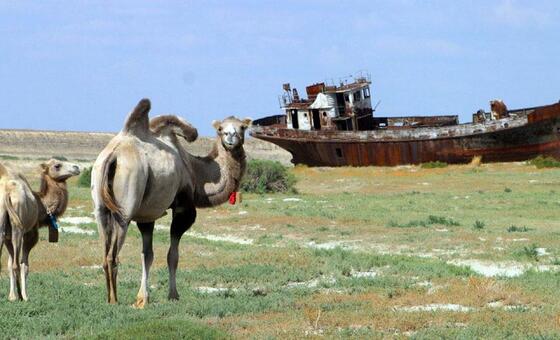
What do Botswana, Kazakhstan, and Kenya have in common? They've all learned that restoring pastureland works best when science joins forces with traditional knowledge. Here's how it's done.
What do Botswana, Kazakhstan, and Kenya have in common? At first glance, not much. Different continents, different cultures, different climates. But dig a little deeper, and you'll find they've all learned the same hard-won lesson: restoring pastureland works best when science and traditional knowledge join forces.
For generations, herders in these regions managed the land using methods passed down through families. They knew when to move livestock, when to let grass rest, and how to read the sky for signs of rain. Then came the push for more production, more cattle, more output. And slowly, the land began to suffer.
But here's the thing—the old ways weren't wrong. They were just incomplete. And modern science, for all its precision, couldn't replace that deep, lived-in understanding of the earth. The real magic happens when the two come together.
### Why Traditional Knowledge Matters More Than You Think
If you've never spent time on a working ranch, it's easy to see traditional grazing methods as outdated. But think about it this way: these practices survived for centuries because they worked. They weren't written in textbooks, but they were tested every single day against the harshest critic there is—nature itself.
In Kenya, for instance, pastoralists have long used rotational grazing, moving their herds to give the grass time to recover. It sounds simple, but it's actually a sophisticated system of land management. The herders know which patches can handle heavy grazing and which need a longer break. They've been doing this for generations, fine-tuning their approach based on what they see on the ground.
Now, scientists are catching up. Using satellite imagery and soil sampling, researchers are confirming what these herders already knew: that careful, planned grazing actually improves soil health and boosts plant diversity. It's not about abandoning tradition for technology, but about letting each one strengthen the other.
### The Science That's Changing the Game
So what does modern science bring to the table? Quite a lot, actually. In Kazakhstan, where vast steppes stretch for hundreds of miles, researchers are using GPS tracking to map grazing patterns across thousands of acres. This data helps them identify overgrazed areas and predict which regions will recover fastest.
Soil analysis has also revealed something surprising: healthy pastures store more carbon than forests in some cases. That's a big deal, especially when you consider that restoring degraded land isn't just good for farmers—it's good for the entire planet. When grass grows deep roots, it pulls carbon out of the air and locks it into the ground.
But here's the catch: you can't just drop technology into a community and expect miracles. The best results come from projects that put local herders in charge, with scientists acting as partners rather than bosses. It's a collaboration, not a takeover.
### What This Means for the United States
Now, you might be wondering why this matters to you, especially if you're nowhere near Kenya or Kazakhstan. But here's the truth: the principles are universal. Whether you're managing a ranch in Texas, a farm in Iowa, or a small plot in Ohio, the same rules apply.
- Let the land rest between grazing cycles
- Pay attention to native plant species
- Work with local knowledge, not against it
- Measure soil health regularly
These aren't exotic ideas. They're practical steps that any landowner can take. And the payoff? Healthier soil, more resilient pastures, and a farm that can weather whatever climate change throws at it.
### The Bottom Line
Restoring pastureland isn't just about grass and cattle. It's about respecting the past while embracing the future. The herders of Kenya and Kazakhstan figured this out the hard way, through years of trial and error. The good news is, we don't have to start from scratch. The lessons are there, waiting for us to learn them.
So whether you're a professional in the ag industry or just someone who cares about the planet, take a moment to appreciate the wisdom of those who've been tending the land for centuries. They might not have the latest technology, but they've got something just as valuable: experience.
And when you combine that with modern science, well, that's how you feed the world.