The Land That Feeds the World: How Kenya and Kazakhstan Are Restoring Their Pastures
Emily Davis ·
Listen to this article~5 min
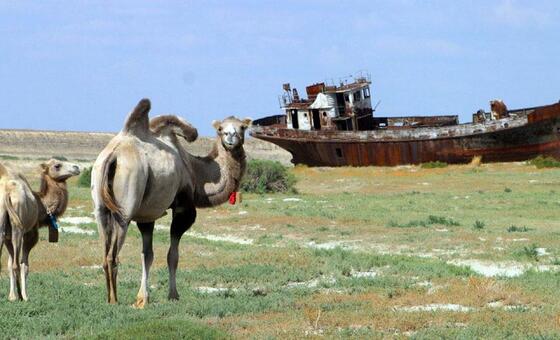
Kenya and Kazakhstan are restoring degraded pastures by pairing modern science with traditional herding knowledge. The results offer a blueprint for sustainable land management worldwide.
What do Botswana, Kazakhstan, and Kenya have in common? On the surface, not much. Different continents, different climates, different cultures. But they've all learned a powerful lesson over the years: restoring pastureland works best when science teams up with traditional knowledge. That's not just a nice idea—it's a strategy that's changing lives and landscapes.
### The Quiet Crisis Beneath Our Feet
Here's the thing most people don't realize. Grasslands cover about 40% of the Earth's land surface, yet they're often overlooked in conversations about climate and food security. We talk about forests and oceans, but pastures are the unsung heroes. They feed billions of livestock, support rural economies, and store massive amounts of carbon underground. When they degrade, the effects ripple outward—less food, more poverty, and more carbon in the atmosphere.
Kenya and Kazakhstan have both felt this pain. Overgrazing, drought, and poor land management have turned once-vibrant pastures into dusty, unproductive ground. But instead of giving up, local communities and scientists started asking a better question: what if we combined the best of both worlds?
### Why Traditional Knowledge Matters More Than You Think
Let's be honest. For decades, the default approach was to bring in outside experts with high-tech solutions. They'd map the land, run the numbers, and prescribe a fix. Sometimes it worked. Often, it didn't. The missing piece was the people who actually live on the land—the herders who've watched these ecosystems shift with the seasons, who know which grasses the cattle prefer, and who understand the rhythm of the rains better than any satellite.
Traditional knowledge isn't just folklore. It's decades, sometimes centuries, of accumulated observation. In Kenya, Maasai herders have long practiced rotational grazing, moving their cattle to let pastures recover. In Kazakhstan, nomadic herders understood the value of mobility across vast steppes long before modern range management existed. The problem wasn't their methods—it was that nobody was listening.
### The Science That Complements It
Now, here's where it gets interesting. Modern science can validate, refine, and scale what traditional knowledge already figured out. For example, researchers use GPS collars and satellite imagery to track grazing patterns and soil health. They can pinpoint exactly when a pasture needs rest, down to the week. That data, combined with herders' insights, creates a feedback loop that's far more accurate than either approach alone.
In Kazakhstan, restoration projects have introduced rotational grazing systems that mimic the old nomadic patterns but with modern data backing. The results? Healthier soil, more diverse plant life, and better water retention. In Kenya, similar efforts have brought back native grasses that store more carbon and feed more livestock. It's not magic—it's just smart collaboration.
### What This Means for the US and Beyond
You might be thinking, "That's interesting, but what does it have to do with me?" Fair question. Here's the deal: the US faces its own pasture challenges, especially in the Great Plains and the Southwest. Drought, overgrazing, and changing weather patterns are putting pressure on rangelands that support a multi-billion-dollar beef industry. The lessons from Kenya and Kazakhstan aren't just for distant lands—they're a blueprint for how we could approach land management closer to home.
A few practical takeaways:
- **Rotational grazing works.** Moving livestock strategically gives grass time to recover, which boosts productivity over time.
- **Local knowledge is undervalued.** Ranchers and herders have insights that no algorithm can replace. Combine them, and you get better decisions.
- **Restoration is an investment, not a cost.** Healthier pastures mean more resilient food systems and less money spent on emergency interventions later.
The story of Botswana, Kazakhstan, and Kenya isn't about some far-off problem. It's about a universal truth: the land feeds us, but only if we feed it back. And the best way to do that is to stop choosing between tradition and technology—and start using both.
So next time you drive past a field of grass, take a second to appreciate it. That green carpet is doing more work than you'd ever guess. And with the right blend of old wisdom and new science, it can keep doing that work for generations to come.