The Human Toll: A Weekend of Attacks and the UN's Urgent Report
James Davis ·
Listen to this article~3 min
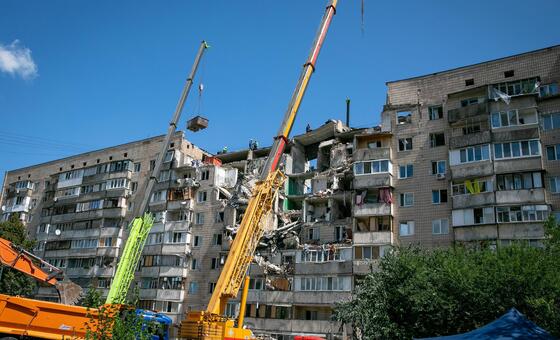
A UN briefing revealed devastating weekend attacks in Ukraine, with approximately 60 civilians killed and over 240 injured, according to on-ground humanitarian data.
The weekend brought a devastating wave of violence. It's the kind of news that stops you cold, the numbers hitting you before you fully process the words. According to a UN briefing in New York, coordinated attacks across Ukraine resulted in a tragic loss of civilian life and a staggering number of injuries.
Let's break down what we know, because it's important to look past the headlines. The figures, confirmed by UN humanitarian staff on the ground and Ukrainian authorities, are stark. They represent real people, real communities.
### The Official Figures from New York
On Monday, UN spokesperson Stéphane Dujarric addressed journalists. He delivered a sobering account based on the most current information from his colleagues in the region. The briefing outlined the scope of the weekend's events, providing a grim snapshot of the human cost.
- Approximately 60 civilians were killed in the attacks.
- More than 240 individuals sustained injuries, a number that often includes life-altering wounds.
- These incidents were reported from various locations across the country, indicating a widespread impact.
It's one thing to hear a statistic; it's another to consider what it means on the ground. Hospitals strained, emergency services stretched thin, and families shattered in an instant. That's the reality behind these updates.
### Understanding the Humanitarian Response
When Dujarric speaks, he's channeling data from the UN's humanitarian apparatus. These are the aid workers and coordinators operating in incredibly difficult conditions. Their reports are crucial for shaping the international response—figuring out where medical supplies, food, and shelter are needed most desperately.
You see, this isn't just about cataloging tragedy. It's about triggering action. These verified numbers help direct resources, inform policy, and, hopefully, apply pressure for the protection of civilians. It's a messy, heartbreaking process, but it's the mechanism we have.
As one aid worker on the ground was quoted saying in a recent assessment, *"Every number in our report is a person whose life has been irrevocably changed. Our job is to make that change a little less unbearable."*
### The Broader Context for Professionals
For those analyzing conflict and humanitarian crises, weekends like this represent a critical data point. They're not isolated events but part of a larger, tragic pattern. Monitoring these briefings helps professionals understand escalation trends, civilian vulnerability, and the operational challenges facing relief organizations.
It also underscores the relentless pressure on infrastructure. Think about the logistics: every injury requires medical care, every displaced person needs shelter. The systems trying to provide that are under constant threat themselves, making the work of groups cited by the UN nothing short of heroic.
So, what do we do with this information? We absorb its gravity. We recognize the work of those reporting it from the field and those relaying it in New York. And for professionals in this sphere, it's a stark reminder of the human reality behind the strategic analyses and policy papers. The core of this work will always be people.