Why Only 43% of Ukrainian Babies Get Exclusive Breastfeeding
Eleanor Vance ·
Listen to this article~5 min
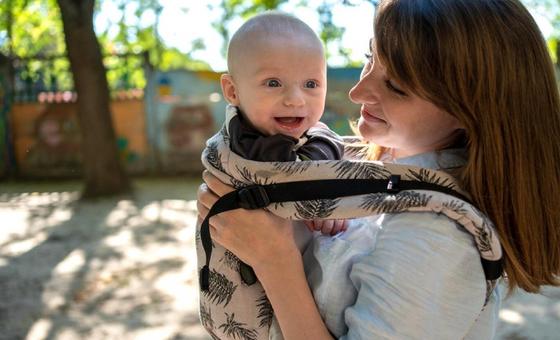
Nearly 74% of Ukrainian newborns start breastfeeding within the first hour, yet only 43% are exclusively breastfed by six months. New 2025-2026 data from UNICEF and WHO reveals why that gap exists and what needs to change.
When a baby is born, the first hour of life is a delicate window. It's a moment when skin-to-skin contact and that first latch can set the stage for everything that follows. In Ukraine, nearly three-quarters of newborns are placed at the breast within that first hour, which is a genuinely encouraging sign. But here's the catch: that strong start doesn't always translate into sustained breastfeeding. According to a new 2025-2026 study released jointly by Ukraine's Ministry of Health, UNICEF, and the World Health Organization (WHO), only 43 percent of infants aged 0-5 months are exclusively breastfed. That means a majority of babies are missing out on the gold standard of infant nutrition during those critical early months.
### Why the First Hour Matters So Much
That initial hour after birth isn't just about feeding. It's about bonding, temperature regulation, and passing on protective antibodies. The WHO and UNICEF recommend exclusive breastfeeding for the first six months of life, meaning no other food or drink, not even water. The fact that 74 percent of Ukrainian newborns get that early latch shows that hospitals and families are paying attention to best practices. Yet, something happens between that first hour and the six-month mark.
Think of it like this: starting a marathon strong doesn't guarantee you'll cross the finish line. The same logic applies here. The early momentum is real, but it fades for many families. The drop-off likely comes from a mix of factors, including returning to work, lack of lactation support, and cultural pressures to introduce formula or solids early.
### The Reality Check: 43 Percent Isn't Enough
So, what does the 43 percent figure actually mean? It means that for every 100 babies born in Ukraine, only about 43 are getting the full protective benefits of breast milk alone for their first half-year of life. The other 57 percent are either getting formula, water, or early introduction of solids. That's a significant gap, especially when you consider the health impacts.
Exclusive breastfeeding has been linked to lower risks of ear infections, respiratory illnesses, and sudden infant death syndrome (SIDS). For mothers, it reduces the risk of breast and ovarian cancer. So, when we talk about this percentage, we're not just talking about a statistic. We're talking about real health outcomes for thousands of families.
### What's Driving the Decline?
There's no single culprit here. Instead, it's a mix of everyday realities that add up. Here are a few of the most common reasons we see in the data and in the field:
- **Returning to work**: Many mothers in Ukraine have limited paid maternity leave, and workplace pumping rooms are rare.
- **Lack of skilled support**: Lactation consultants aren't widely available, and pediatricians sometimes give conflicting advice.
- **Misinformation**: Well-meaning relatives often push for formula, believing it's more filling or better for sleep.
- **Marketing pressure**: Formula companies are aggressive with samples and advertising, especially in hospitals.
These aren't just Ukrainian problems; they're global ones. But the data shows Ukraine has room to improve its support systems.
### A Glimmer of Hope in the Numbers
The 2025-2026 data isn't all bad news. In fact, the 74 percent early initiation rate is a solid foundation. It suggests that when mothers get clear guidance and support in the hospital, they're willing and able to start breastfeeding. The challenge is extending that support beyond the hospital walls.
As one public health expert put it, "The first latch is a promise. The first six months are the delivery." That quote captures the gap perfectly. We need to help families keep that promise.
### What Needs to Change
If we want to see that 43 percent climb, a few things have to shift. First, paid leave policies need to be more generous and flexible. Second, we need to train more lactation counselors and make them accessible. Third, hospitals should stop handing out formula samples to new parents. Finally, public awareness campaigns need to normalize breastfeeding in public spaces.
It's not about shaming mothers who can't or choose not to breastfeed. It's about removing the barriers that stand in the way of those who want to. Every mother deserves the right support to make an informed choice and to follow through on it.
### The Bottom Line
Ukraine is doing better than many countries on that first-hour metric, but the exclusive breastfeeding rate tells a more complex story. The data from the Ministry of Health, UNICEF, and WHO is a wake-up call for policymakers, healthcare providers, and families alike. We have the tools and the knowledge to close this gap. Now, it's a matter of putting those tools to work.
If you're a new parent or expecting, don't be afraid to ask for help. Seek out lactation support early, and remember that every drop counts. The goal isn't perfection; it's progress.