Only 43% of Ukrainian Infants Get Exclusive Breastfeeding—Here's Why It Matters
Michael Davis ·
Listen to this article~5 min
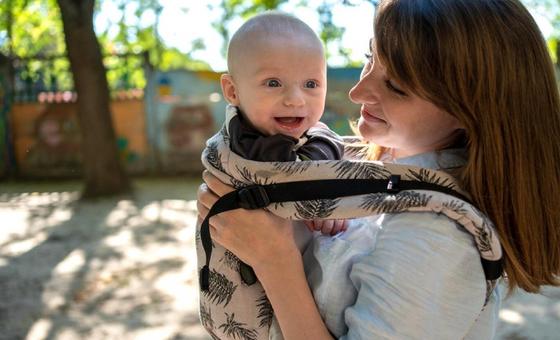
Nearly 75% of Ukrainian newborns start breastfeeding within the first hour, but only 43% continue exclusively for six months. Here's why that gap matters for infant health and what can be done to close it.
When a baby is born, those first moments matter more than most of us realize. In Ukraine, nearly three-quarters of newborns are placed at the breast within the first hour of life—a powerful step that supports both maternal and infant health. But here's the catch: only 43% of infants aged 0 to 5 months receive exclusive breastfeeding, as recommended by the World Health Organization (WHO) and UNICEF.
That gap between a strong start and sustained practice is worth exploring. Because while that first hour sets the stage, what happens in the weeks and months that follow is what truly shapes a child's development.
### The Numbers Behind the Story
New data from 2025–2026, released by Ukraine's Ministry of Health, UNICEF, and WHO during World Breastfeeding Week, paints a clear picture. Nearly 75% of Ukrainian newborns are breastfed within the first hour after birth. That's an impressive statistic—one that shows awareness and early action are happening.
But exclusive breastfeeding drops off quickly. By the time infants reach six months, only 43% are still receiving only breast milk, with no water, formula, or solid foods added. That means more than half of Ukrainian babies aren't getting the full recommended nutrition during a critical window of growth.
So why does this matter so much? Let's break it down.
### Why Exclusive Breastfeeding Is a Big Deal
Exclusive breastfeeding isn't just about food—it's about protection. Breast milk contains antibodies that help babies fight off infections and illnesses. It's perfectly balanced for a human infant's needs, providing the right mix of fats, proteins, and vitamins.
Here's what exclusive breastfeeding supports:
- Stronger immune systems, with fewer ear infections, respiratory illnesses, and digestive issues
- Better brain development, thanks to essential fatty acids found naturally in breast milk
- Lower risk of obesity and chronic conditions later in life, including diabetes and heart disease
- A bonding experience that benefits emotional health for both mother and child
For mothers, exclusive breastfeeding also offers benefits. It helps the uterus return to its pre-pregnancy size, reduces bleeding after birth, and even lowers the risk of certain cancers, including breast and ovarian cancer.
### The Gap Between Start and Sustain
So if nearly 75% of babies start breastfeeding within that first hour, why does exclusive breastfeeding drop to 43%? The reasons are complex and deeply human.
Many mothers face challenges with latching, milk supply, or painful nursing. Others return to work or school and struggle to pump or maintain a feeding schedule. Lack of support from family, healthcare providers, or employers can make it even harder. Cultural norms and misinformation about formula feeding also play a role.
It's not about blaming mothers—it's about understanding the barriers they face. When a new mom is exhausted, unsupported, and overwhelmed, exclusive breastfeeding can feel like one more impossible task on an endless list.
### What's Being Done—and What Still Needs to Happen
The WHO and UNICEF recommend exclusive breastfeeding for the first six months, with continued breastfeeding alongside complementary foods for up to two years or beyond. Ukraine's health ministry is working with these organizations to promote breastfeeding through education, hospital initiatives, and community support programs.
But changing outcomes requires more than campaigns. It requires policies that support mothers—paid maternity leave, lactation rooms at work, and access to lactation consultants. It requires healthcare providers who are trained to help, not just to hand out formula samples. And it requires families and communities to step up and offer real, practical support.
### A Closer Look at the Research
The study behind these numbers is part of an ongoing effort to track maternal and child health in Ukraine. By publishing this data during World Breastfeeding Week, the Ministry of Health, UNICEF, and WHO are shining a light on both progress and gaps.
One thing is clear: Ukraine has made real strides in the first hour after birth. That's a foundation to build on. But the next step—supporting mothers through the first six months—requires a collective effort.
### Why This Matters to You
Whether you're a parent, a healthcare professional, or someone who cares about public health, this story is relevant. Breastfeeding isn't just a personal choice; it's a public health priority. When more babies get exclusive breastfeeding, communities see fewer sick visits, lower healthcare costs, and healthier children overall.
So the next time you hear about breastfeeding rates, remember the numbers behind them. They're not just statistics—they're real families, real challenges, and real opportunities to do better.
If you're a new parent or know someone who is, consider reaching out for support. Lactation consultants, breastfeeding support groups, and even just a friend who's been there can make a world of difference. Because every baby deserves the best possible start—and every mother deserves the support to give it.