The Grim Reality: Why July 2026 Became the Deadliest Month for Ukrainian Civilians
Eleanor Vance ·
Listen to this article~5 min
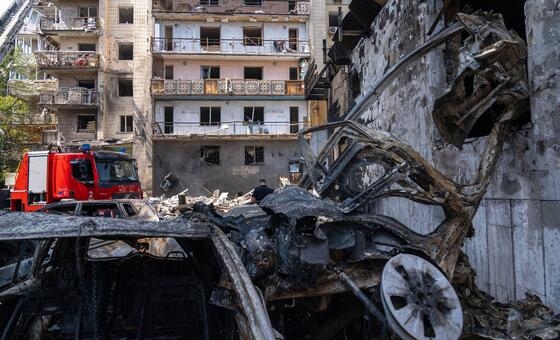
UN monitors report July 2026 saw the highest civilian casualties in Ukraine since March 2022. We break down the data, the tactics behind the spike, and what it means for the future.
## A Sobering Milestone in a Long Conflict
When the United Nations Human Rights Monitoring Mission in Ukraine released its latest casualty figures, the numbers didn't just mark another sad statistic. They represented a disturbing turning point. July 2026 saw the highest number of civilian casualties—both killed and wounded—since March 2022, the very first month of the full-scale invasion. That's more than four years of brutal warfare, and this single month stood out as the worst.
I've spent my career studying historical conflicts, and I can tell you this: moments like this are never just about the numbers. Behind every digit is a family shattered, a home destroyed, and a future erased. But to truly understand why this is happening now, we need to look at what changed on the ground.
### What the Data Actually Tells Us
The UN's monitoring mission is one of the most reliable sources of truth in this conflict. Their team doesn't rely on social media reports or unverified claims. They send trained monitors to the front lines, interview survivors, cross-check hospital records, and corroborate every single incident. So when they say July was the worst month in 52 months, we should pay attention.
Here's what stood out in their latest report:
- The casualty count in July surpassed every single month since March 2022, including the brutal winter months.
- The majority of casualties were concentrated in areas near the active front lines.
- A significant portion of victims were killed or injured by explosive weapons with wide-area effects.
- The trend suggests a worrying escalation in tactics that put civilians directly in harm's way.
The mission's Thursday statement didn't just drop a number and walk away. They contextualized it, pointing to specific patterns in the fighting that we need to understand.
## Why Is This Happening Now?
It's tempting to look at a single month's spike and dismiss it as an anomaly. But the evidence points to something more systematic. Over the past few months, both sides have shifted their strategies, and unfortunately, those shifts have come at a terrible cost to ordinary people.
### Shifting Battlefield Tactics
One of the most significant factors is the increased use of guided aerial bombs. These weapons are devastatingly accurate against military targets, but when they're used in densely populated urban areas, the margin for error becomes razor-thin. A miss of just a few feet can turn a residential building into a tomb.
We're also seeing more attacks on critical infrastructure. Power plants, water treatment facilities, and hospitals aren't just targets of convenience—they're being deliberately struck to break civilian morale. When you knock out the power grid in the middle of a scorching July, you're not just fighting the military; you're waging war on the elderly, the sick, and the children who can't escape the heat.
### The Human Cost of Prolonged Conflict
There's another, less discussed factor at play here: fatigue. Not just battlefield fatigue, but civilian fatigue. After four years of war, people are exhausted. They're more likely to take risks, to return to their homes in contested zones, to ignore air raid sirens because they've heard them so many times before. It's a tragic psychological reality that prolonged exposure to danger often dulls our sense of it.
As one humanitarian worker in the region put it, "The people aren't panicking anymore. They're just trying to live their lives, and that's what makes them so vulnerable."
## What This Means for the World
For those of us watching from the United States, it's easy to feel disconnected from a conflict that's thousands of miles away. But the ripple effects of this violence touch all of us. Grain prices fluctuate, energy markets shift, and global security alliances are tested. More importantly, we have a moral obligation to bear witness.
The UN's monitoring mission isn't just collecting data for academic purposes. Their reports inform international policy, humanitarian aid distribution, and eventual war crimes prosecutions. When they raise the alarm, it's not hyperbole—it's a plea for the world to act before things get even worse.
### Looking Forward
As we move into the late summer of 2026, the question on everyone's mind is whether July was a peak or a harbinger. Military analysts are divided. Some believe the high casualty numbers will force a tactical pause. Others fear this is just the beginning of an even more brutal phase.
What's certain is that the world can't afford to look away. Every month of inaction is measured in lives lost. And as the UN report makes painfully clear, those lives are being lost at an alarming rate right now.