The Stark Toll of Ukraine's Frontline Attacks
Robert Miller ·
Listen to this article~4 min
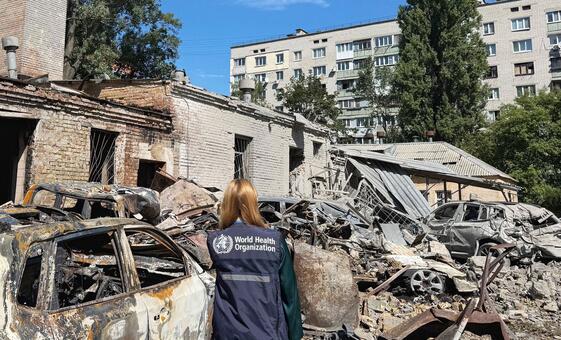
At least 12 civilians killed and over 65 wounded in Ukraine over 24 hours, with frontline regions suffering the most, according to a UN update based on Ukrainian authorities.
When I sat down to write this, the latest reports coming through painted a grim and all-too-familiar picture. It's heartbreaking, really. The numbers aren't just statistics on a screen; they represent families, lives interrupted, and communities shattered. The situation on the ground remains intensely volatile, with civilian areas bearing the brunt of the conflict in a way that should give everyone pause. Let's break down what we know and what it means moving forward.
### Understanding the Latest Casualty Figures
Friday's update from the UN Office for the Coordination of Humanitarian Affairs, based on information from Ukrainian authorities, is sobering. In just the last 24-hour period, attacks across the country resulted in the deaths of at least 12 civilians. Over 65 more people were wounded. That's a significant spike, and it underscores a painful reality: the fighting isn't subsiding. It's impacting daily life in profound ways, turning ordinary streets into danger zones. These aren't soldiers caught in crossfire; these are people in their homes, on their way to work, trying to live. The human cost is the most critical metric here, and it's climbing.
### The Disproportionate Impact on Frontline Regions
As you'd expect, the areas closest to the active fighting are suffering the most. The report specifically highlights that frontline regions have been especially hard hit. This isn't a surprise to anyone following the situation, but it's a crucial point. The infrastructure in these towns and cities—hospitals, schools, power grids—is often already damaged or operating at a fraction of its capacity. Each new attack compounds the existing humanitarian crisis. It creates a vicious cycle:
- Limited access to medical care for the injured
- Destruction of housing, displacing more families
- Breakdowns in basic services like water and electricity
- Psychological trauma for an entire generation of children
Recovery in these zones becomes exponentially harder with every passing day of shelling.
### The Broader Context of Civilian Harm
This latest incident fits into a larger, troubling pattern. Protecting civilian life during armed conflict isn't just a moral imperative; it's a cornerstone of international humanitarian law. When residential areas become targets, the ripple effects are immense. Think about the logistical nightmare for aid workers trying to deliver food and medicine. Consider the farmers who can't tend to their fields, threatening future food security. It's a multi-layered crisis. One aid worker on the ground recently told me, 'We're not just patching up walls; we're trying to hold together the social fabric of these communities.' That sentiment sticks with you. It's about preserving a sense of normalcy and hope amidst chaos.
The road ahead is uncertain. Diplomatic efforts continue, but on the ground, the immediate need is for protection and aid. For those of us watching from afar, it's a reminder of the fragility of peace and the enduring human spirit of those caught in the middle. Our understanding must go beyond the headlines. It's about recognizing the individual stories behind each number and the long-term rebuilding that will be required long after the guns fall silent. The focus now must be on mitigating further suffering and finding a path toward a durable peace, where families don't have to live in fear of the next siren.